
BEVERAGE DESIGN


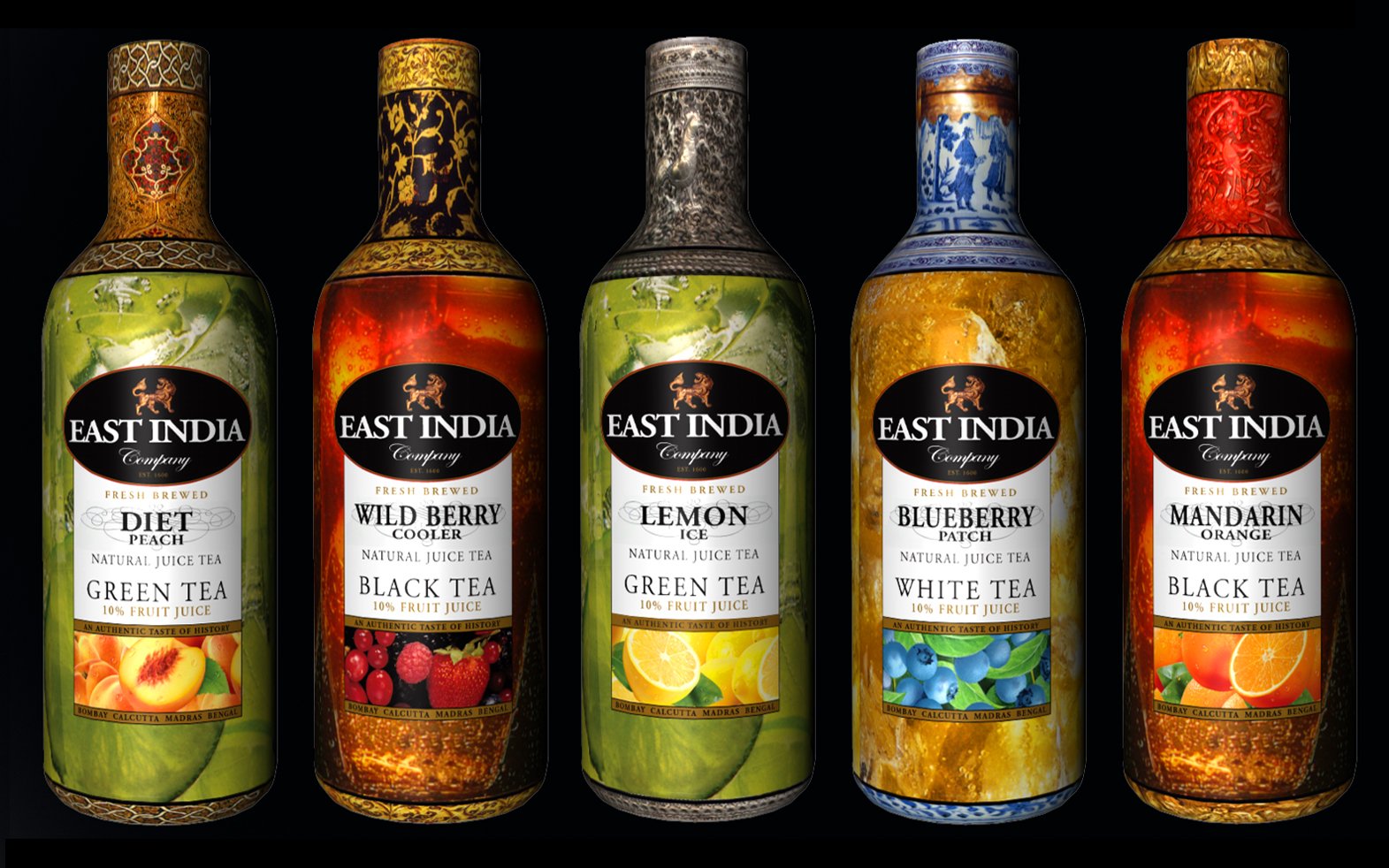
The Story Was Always There. We Just Told It Better.
East India Tea Company had centuries of history and packaging that looked like every other tea on the shelf. The opportunity was hiding in plain sight: the teas themselves — each with a distinct origin, culture, and story worth telling. We were asked to explore branding options and packaging materials and chose a classic metal tin for their dry tea product.
I reimagined the packaging strategy around the authentic origins of each tea, replacing generic British heritage visuals with globally inspired graphics and premium tin packaging that made every variety feel like a discovery. The brand's history became a reason to explore, not just a reason to trust.
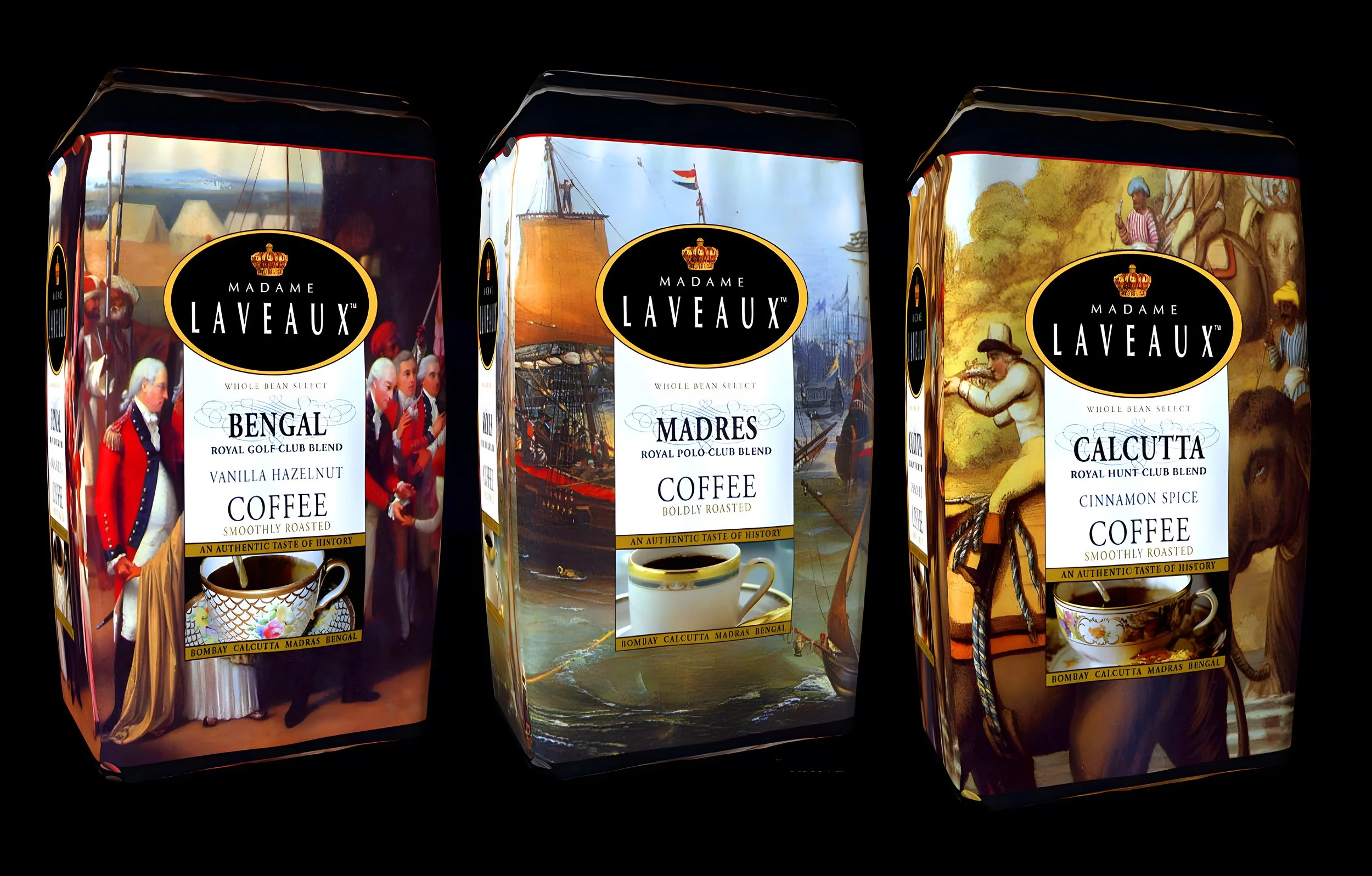
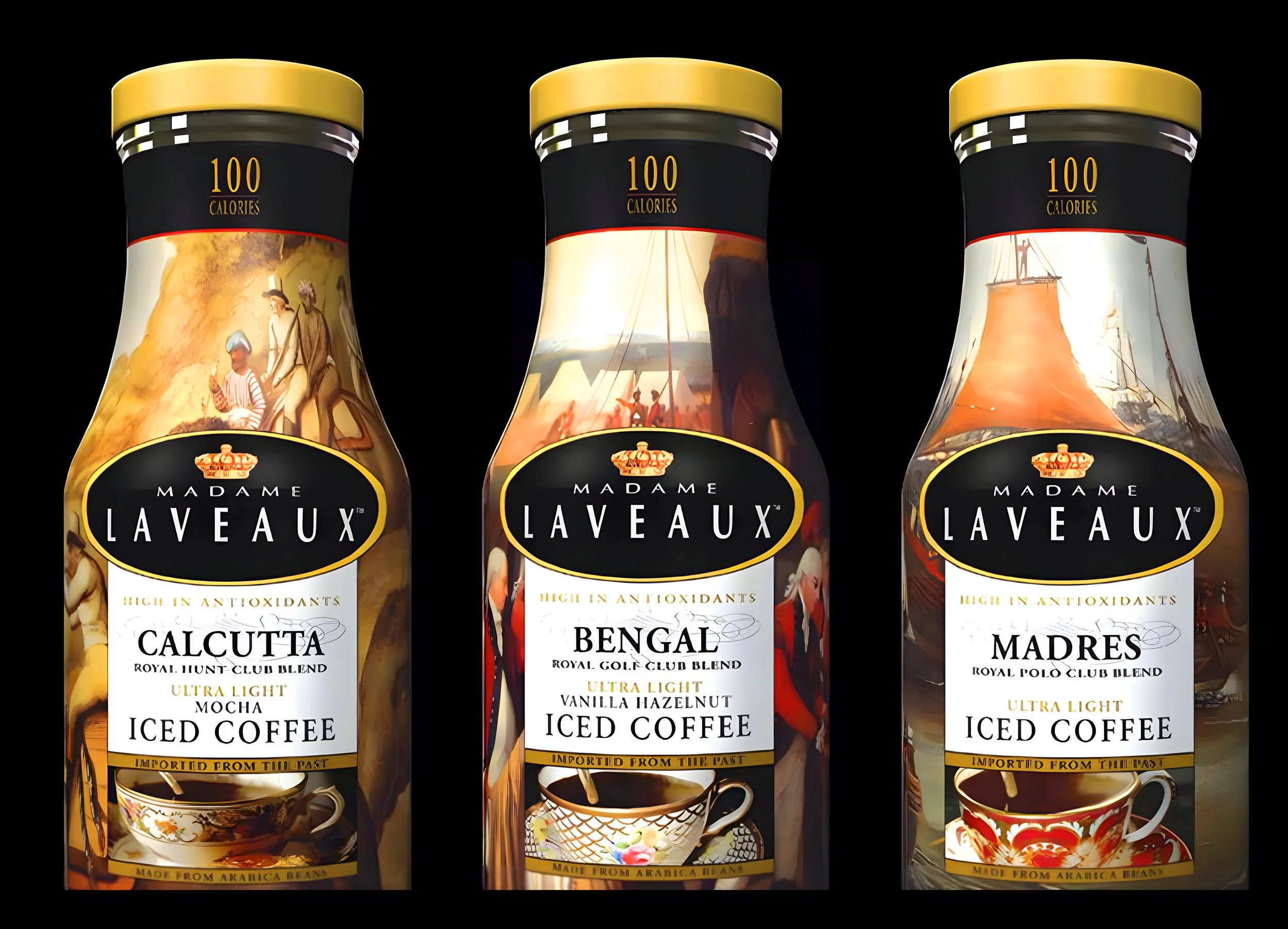
Every Great Coffee Has a Story. This One Finally Looked Like It.
Heritage is only an asset if the packaging makes you feel it. This brand had the history — the craftsmanship, the legacy, the years of getting it right. The packaging just wasn't carrying any of that weight.
I reimagined the design around the brand's story, creating a visual platform that made the heritage tangible — something a customer could see and feel before the first sip. Elevated perceived value, stronger shelf differentiation, and a brand that finally looked as good as it tasted.
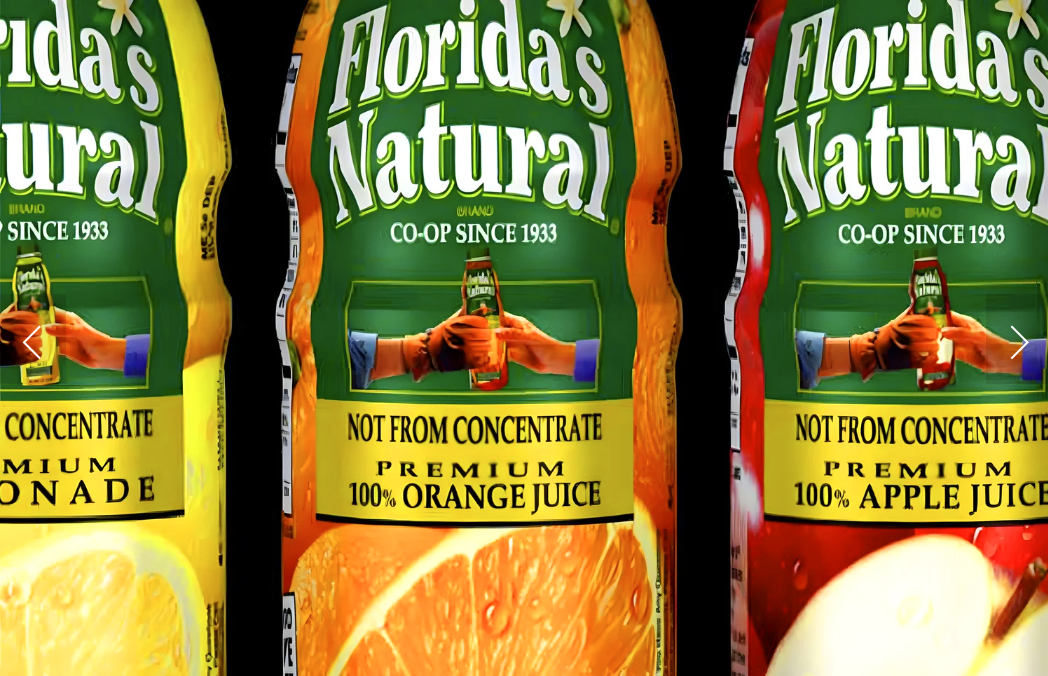
The Ad Was Working. The Package Wasn't.
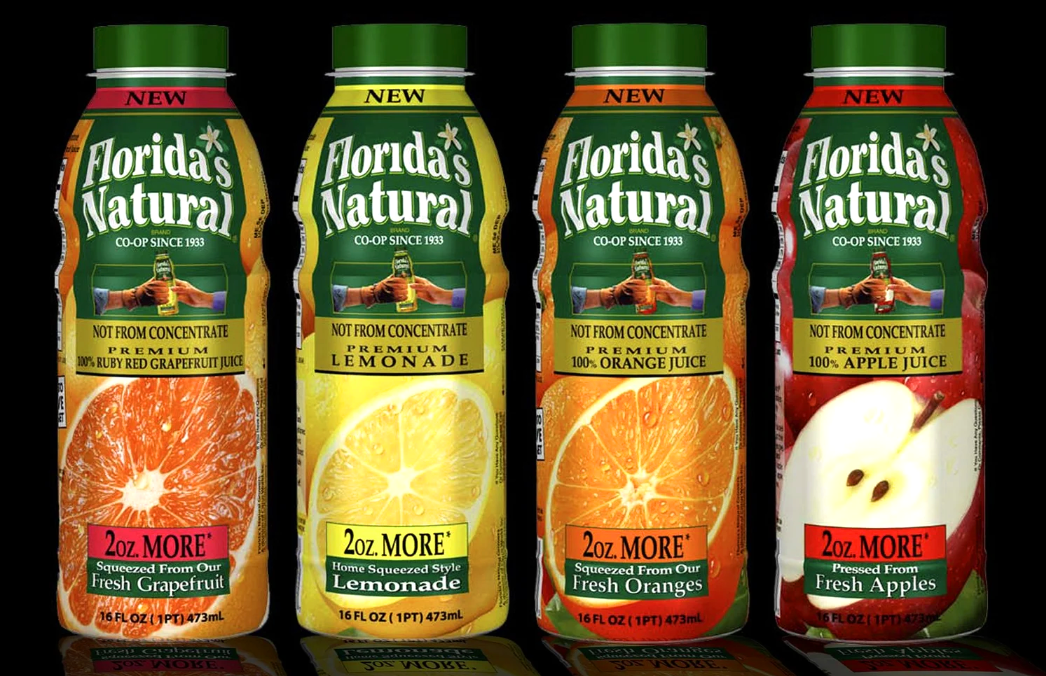
Florida's Natural had award-winning advertising and flat shelf sales. The disconnect was the package — shoppers couldn't make the connection between the campaign they loved and the product in front of them.
I integrated the advertising's iconic grower-to-consumer "hand-off" moment directly into the package design, creating a unified brand experience from TV to shelf. Recognition improved, the gap closed, and market share climbed to a record 18.1% — along with category leadership in airport retail nationwide.
Sometimes the best media buy is the package.
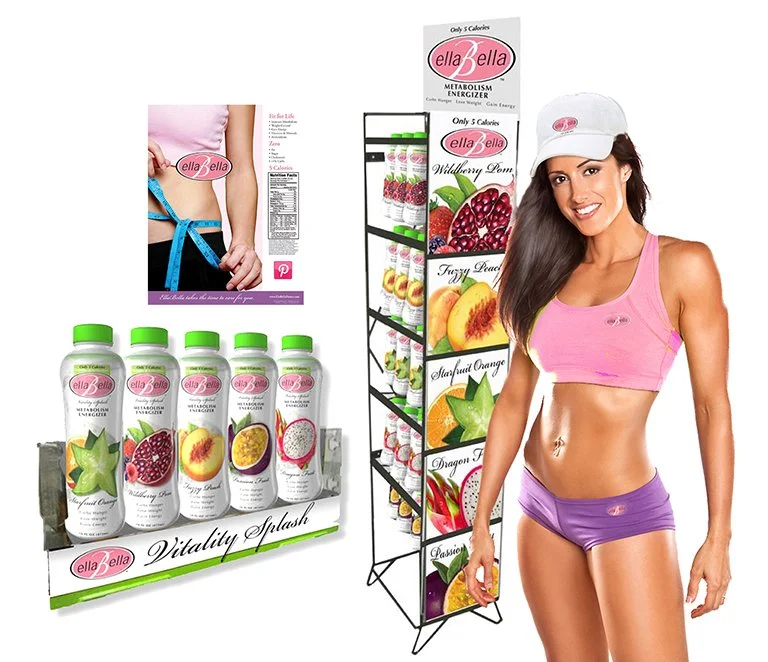
The Ultimate fitness water - for women.
EllaBella Vitality Water didn't exist until it did — and then it needed to be complete.
I directed every element of the brand from the ground up: formulation, positioning, identity, packaging, retail merchandising, and sales support materials. Not a series of separate deliverables handed off to different teams, but a single integrated platform where every touchpoint reinforced the same brand promise.
From concept to shelf, ready to compete.


The Brewery Had a Better Story Than the Beer They Were About to Launch.
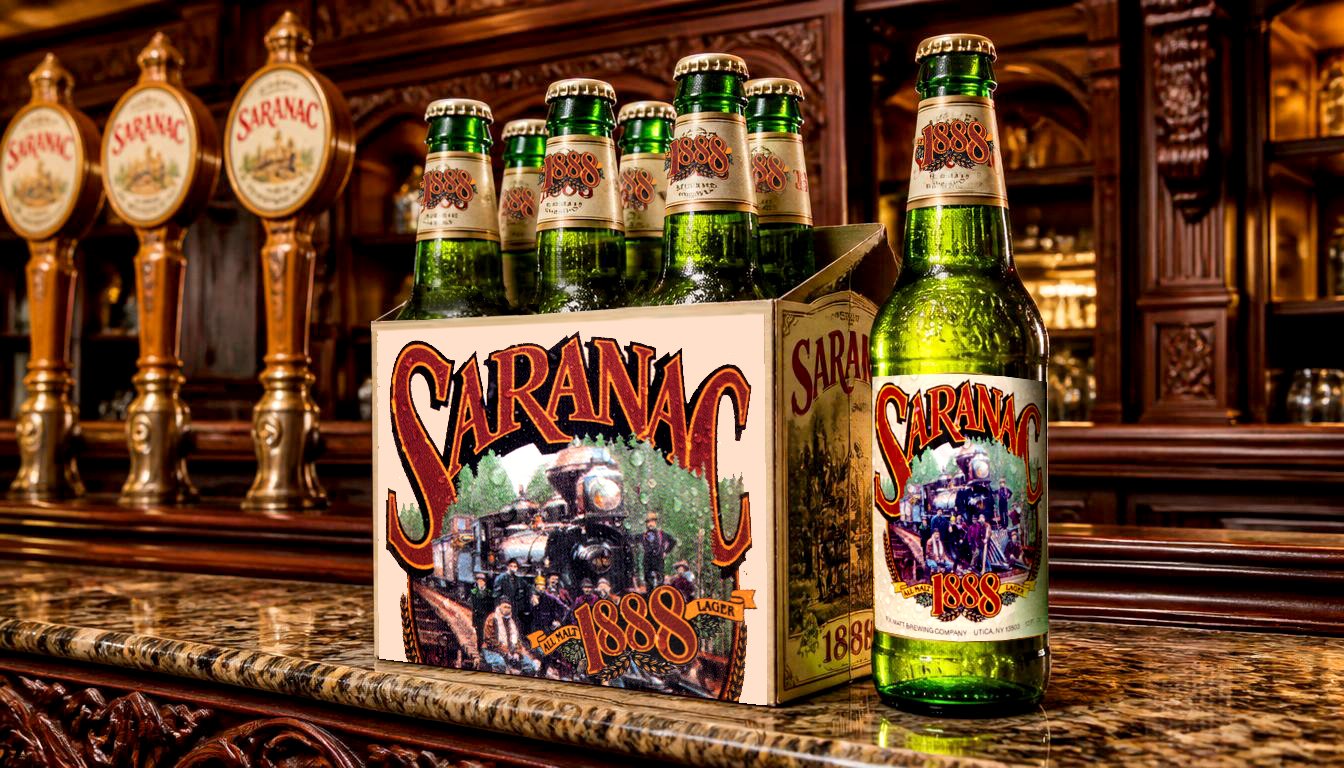
The plan was to launch a premium beer under a forgettable name. The brewery behind it had been making beer since 1888 and was the second oldest in America. The better brand was already there — it just wasn't the one they were planning to use.
I repositioned the concept around the brewery's Adirondack heritage and founding date, creating the Saranac brand — a name, identity, and packaging system that felt earned rather than invented. The result was an International CLIO Award for Best Beer Packaging and a brand that became the brewery's flagship product line.
Sometimes the best creative decision is recognizing what you already have.
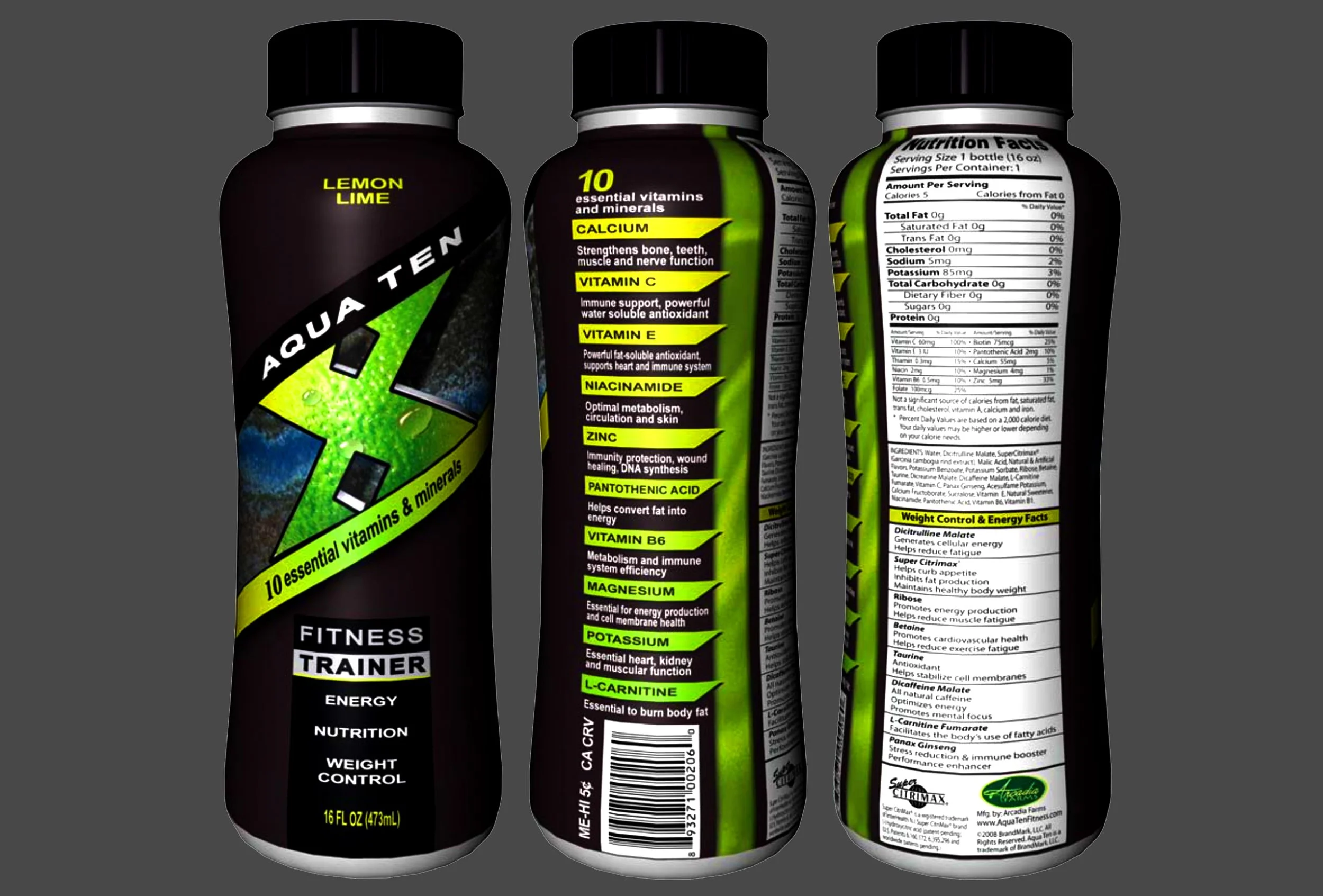
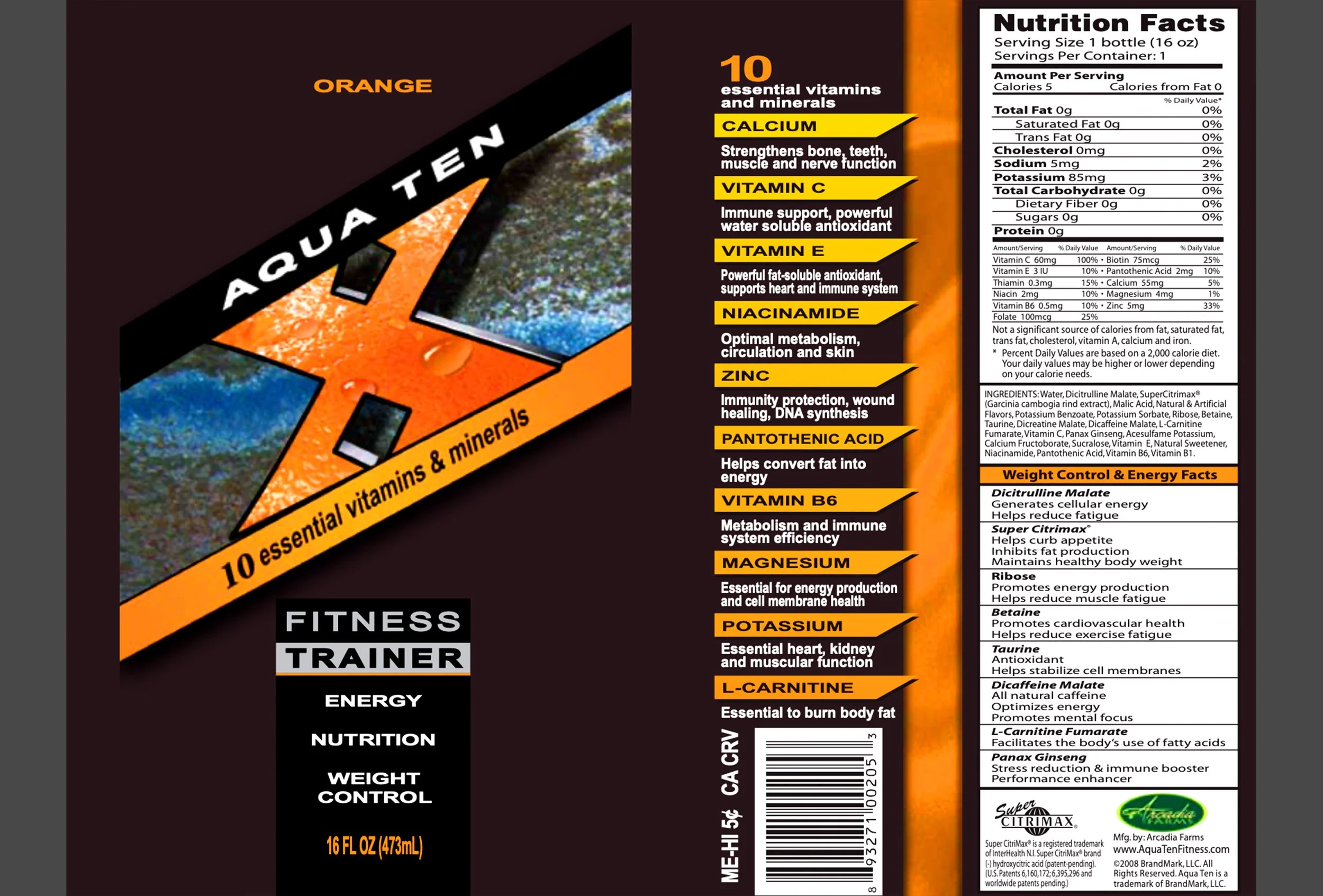
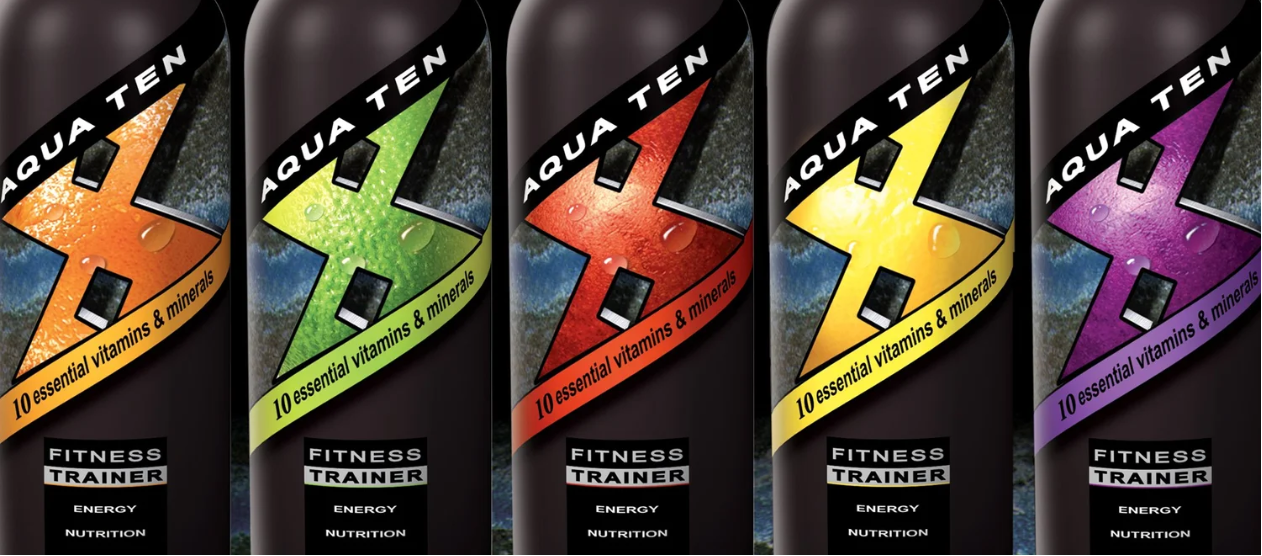
ENERGY Water that fuels nutrition.
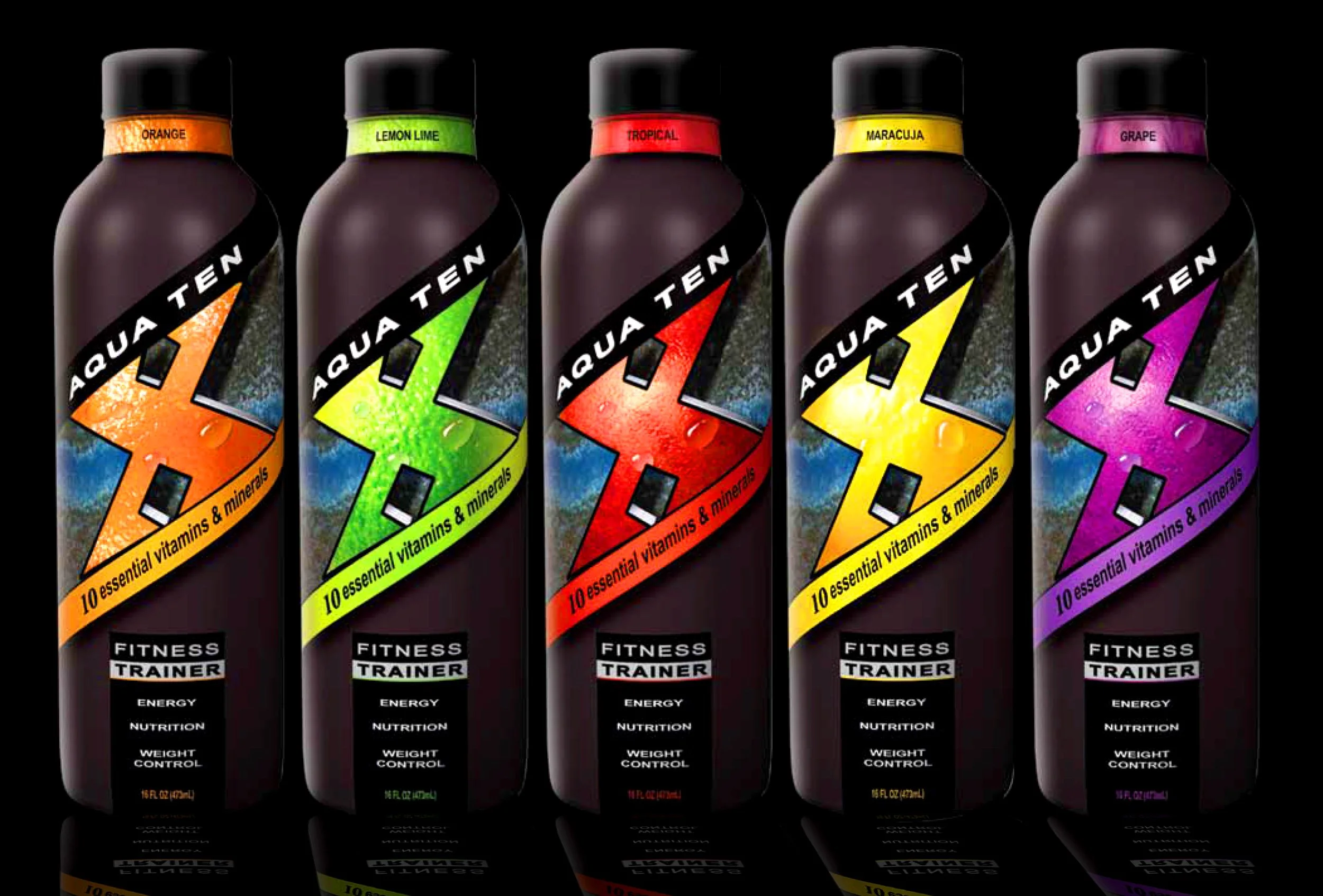
The nutraceutical market is crowded with energy products making similar promises. Aqua Ten is an energy water infused with nutrition that needed packaging that communicated its benefits with clarity and a brand presence that felt as premium as the science behind it.
I led the brand strategy, positioning, and packaging development — translating Aqua Ten's product benefits into a “Fitness Trainer” with a visual identity that elevated perceived value, created genuine shelf differentiation, and gave the brand a foundation strong enough to grow from
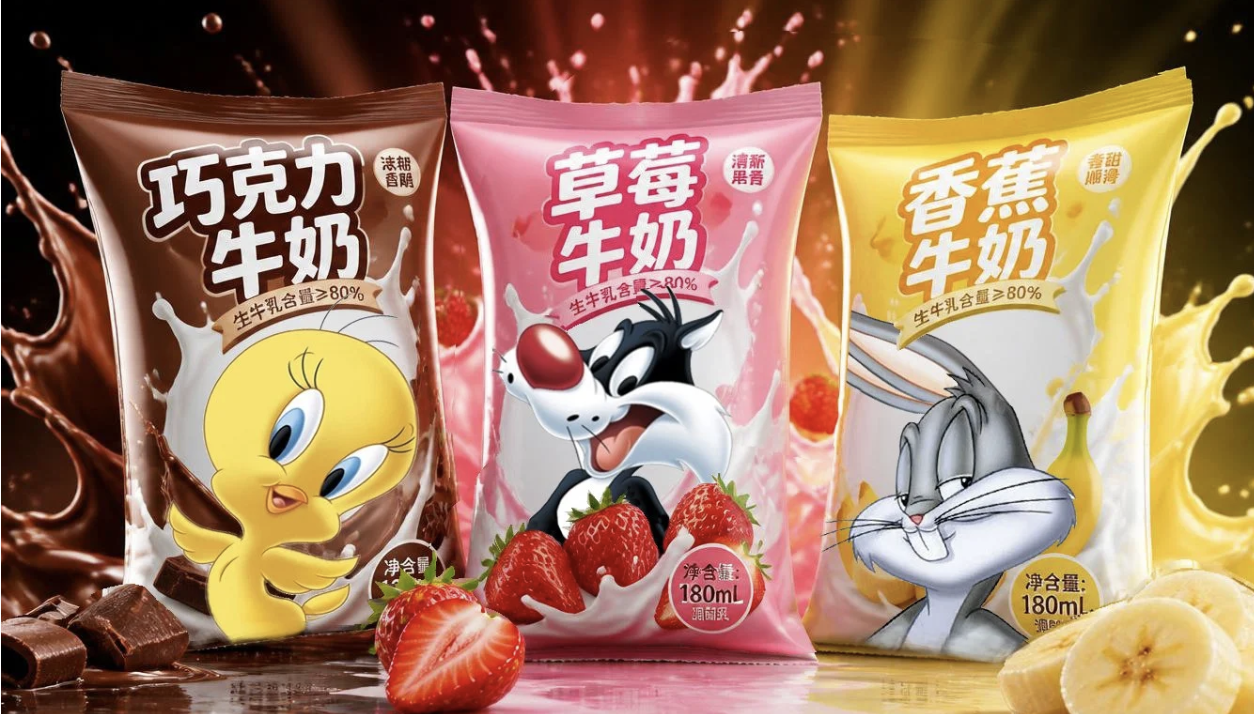
"What's Up, China?"
Warner Bros. / Bravo Foods & Dairy Group
Introducing the first pasteurized milk in China is a feat. Making Bugs Bunny culturally resonate with Chinese consumers is an art. We did both. Working with Bravo Foods & Dairy Group under a Warner Bros. Looney Tunes license, we brought the first pasteurized pouch milk to China — and gave Bugs Bunny a name that spoke the language, literally and culturally.
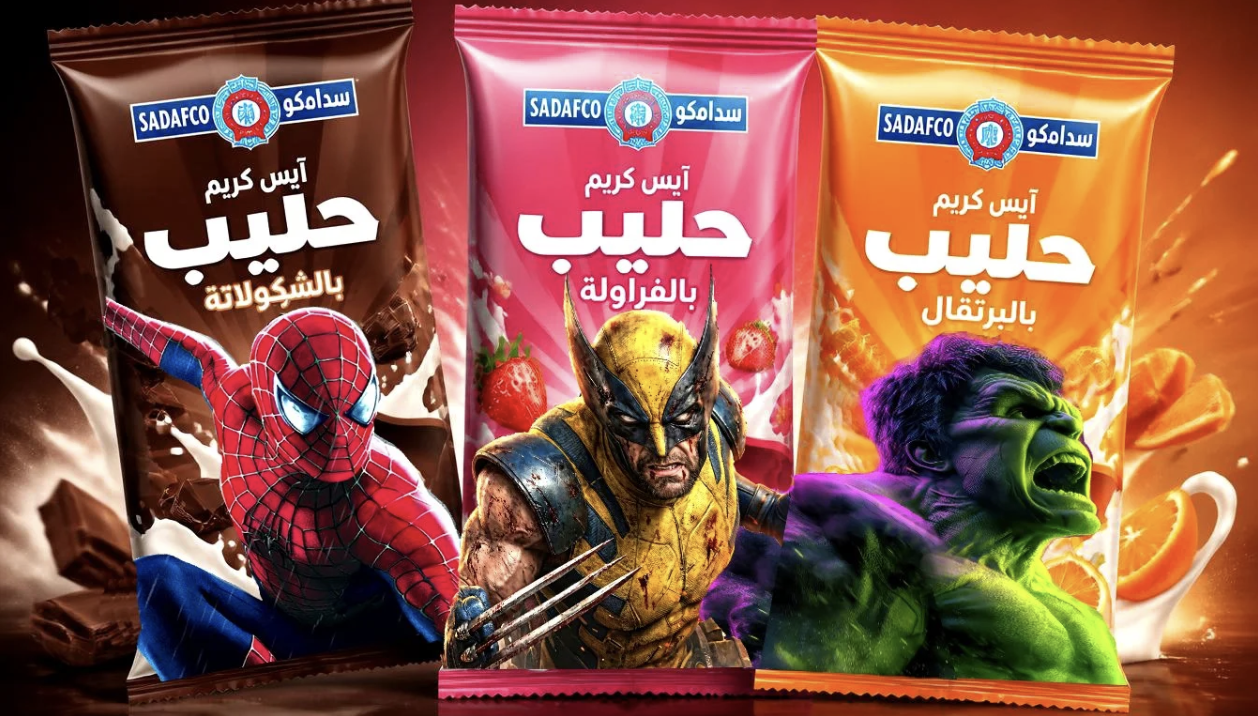
"With Great Power Comes Great Cultural Responsibility."
Marvel & SADAFCO — Middle East Market Launch
Introducing Spider-Man and the Marvel universe to the Middle East through SADAFCO — the region's largest dairy group — meant navigating one of the most complex licensing and cultural approval processes in branded merchandise. Across 100+ SKUs spanning beverages, shakes, ice cream, and dairy treats, every character, every pose, and every graphic element was scrutinized and refined in close partnership with the Marvel team to meet regional legal, religious, and cultural standards. The result: a landmark launch that proved global brands can localize without losing their soul.
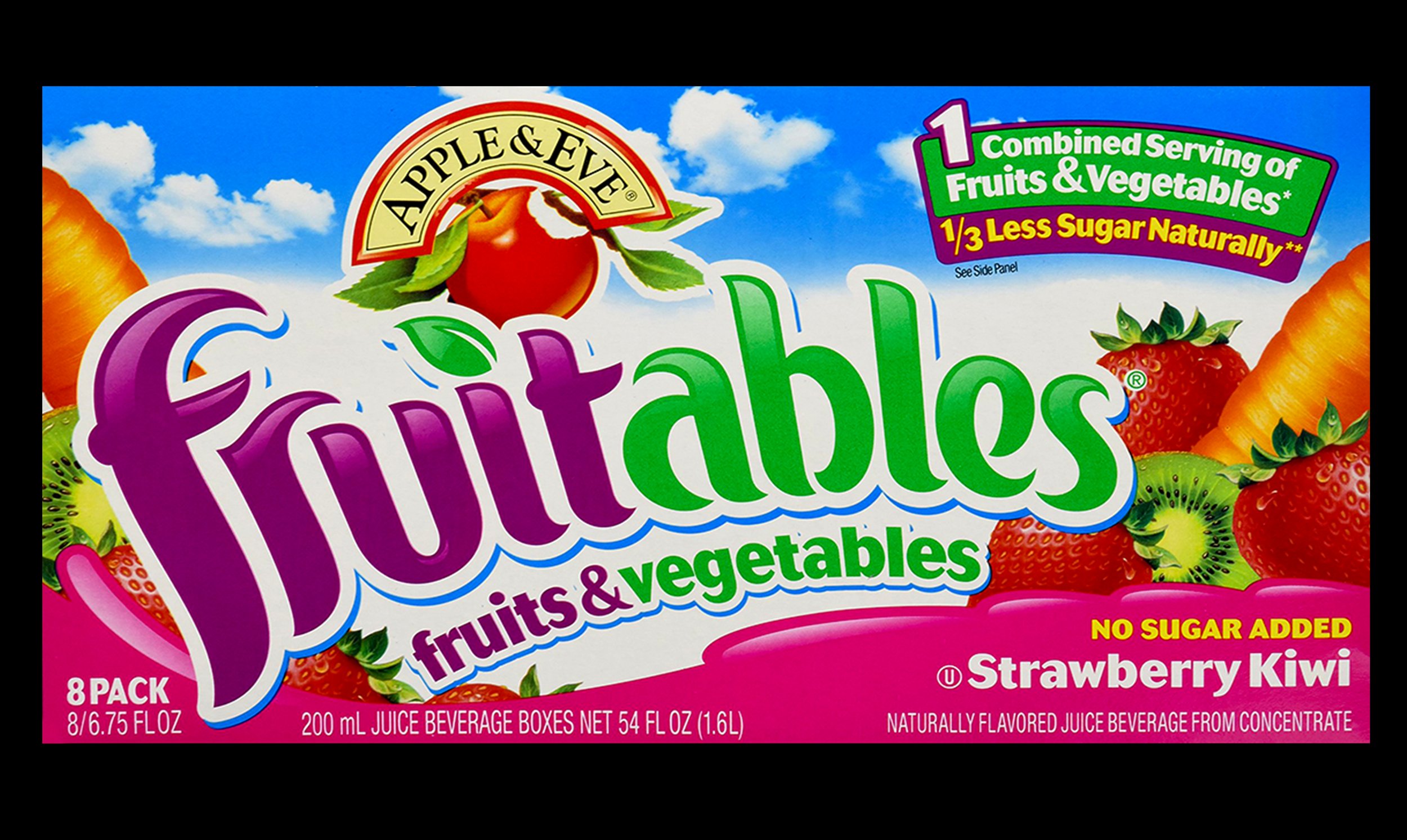
The Name tells the stORy.
Before a product has packaging, advertising, or a single customer, it has a name. Get it right and everything that follows is easier. Get it wrong and nothing fixes it.
I named Apple & Eve's Fruitables brand and more than 50 additional products across multiple consumer categories — each one developed from brand strategy, consumer insight, and a clear understanding of what the name needed to do at shelf, in conversation, and over time.
Apple & Eve came to me needing a name for their new product that was a mix of fruit and vegetables. I names this ‘Fruitables’ and the rest is history.
Fruitables has been on grocery shelves for decades. That's the measure that matters.
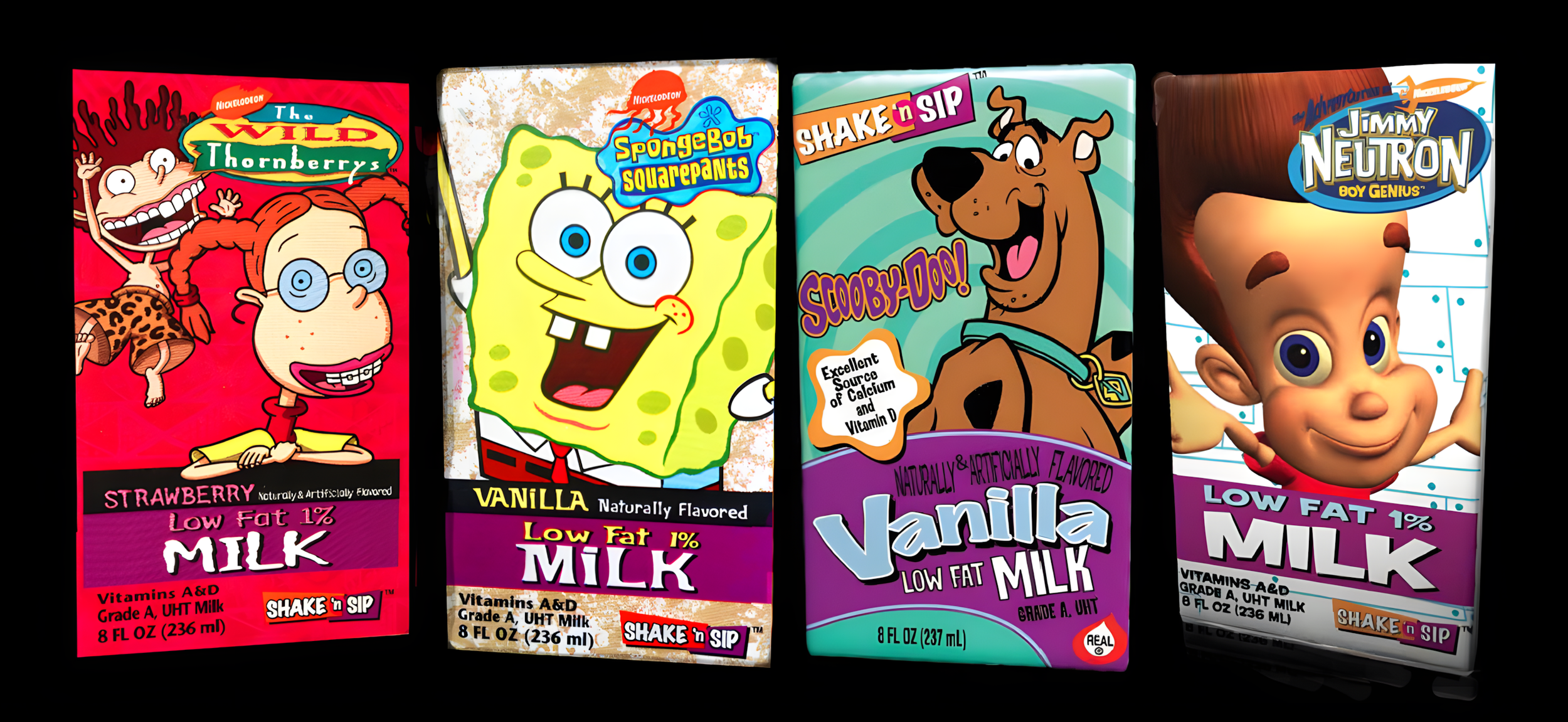
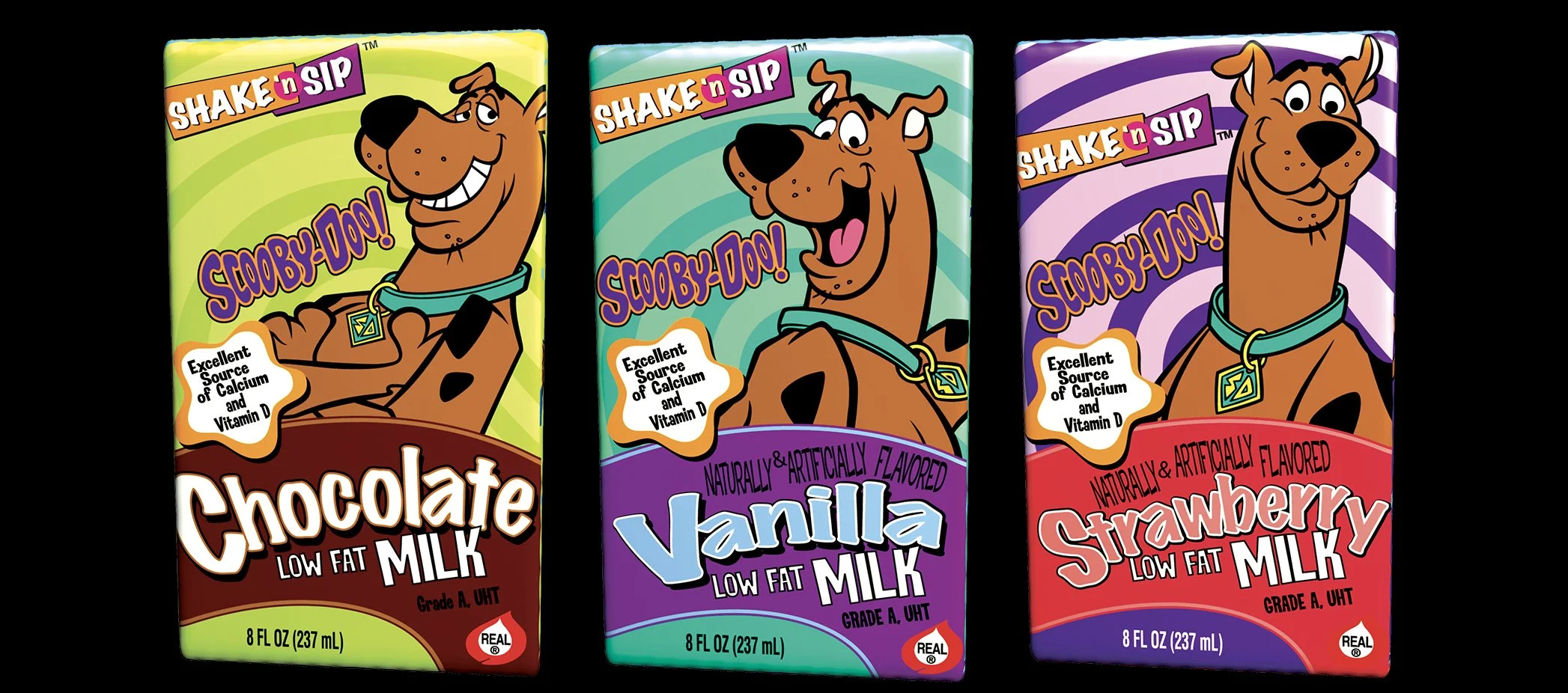
Three Years of Getting Kids to Ask for Milk
I designed the national school lunch flavored-milk program built entirely around characters kids already loved — Nickelodeon's SpongeBob SquarePants, Jimmy Neutron, and the Wild Thornberries, alongside Warner Bros.' Scooby-Doo.
Licensing these loved characters gave the program instant credibility with kids and an easy yes from schools and parents — turning flavored milk from a hard sell into something students actually looked forward to. The initiative ran for three years, helping increase milk consumption among school-age children nationwide.

Soup That Goes Where You Go.
The insight was simple: people love soup, but soup doesn't travel well. Go Appetit was built to change that. I led the identity and packaging development for the brand, translating a "soup-on-the-go" concept into a visual system that communicated convenience, freshness, and modern lifestyle appeal at a glance. The design gave the product a clear reason to exist — and made that reason impossible to miss on shelf.
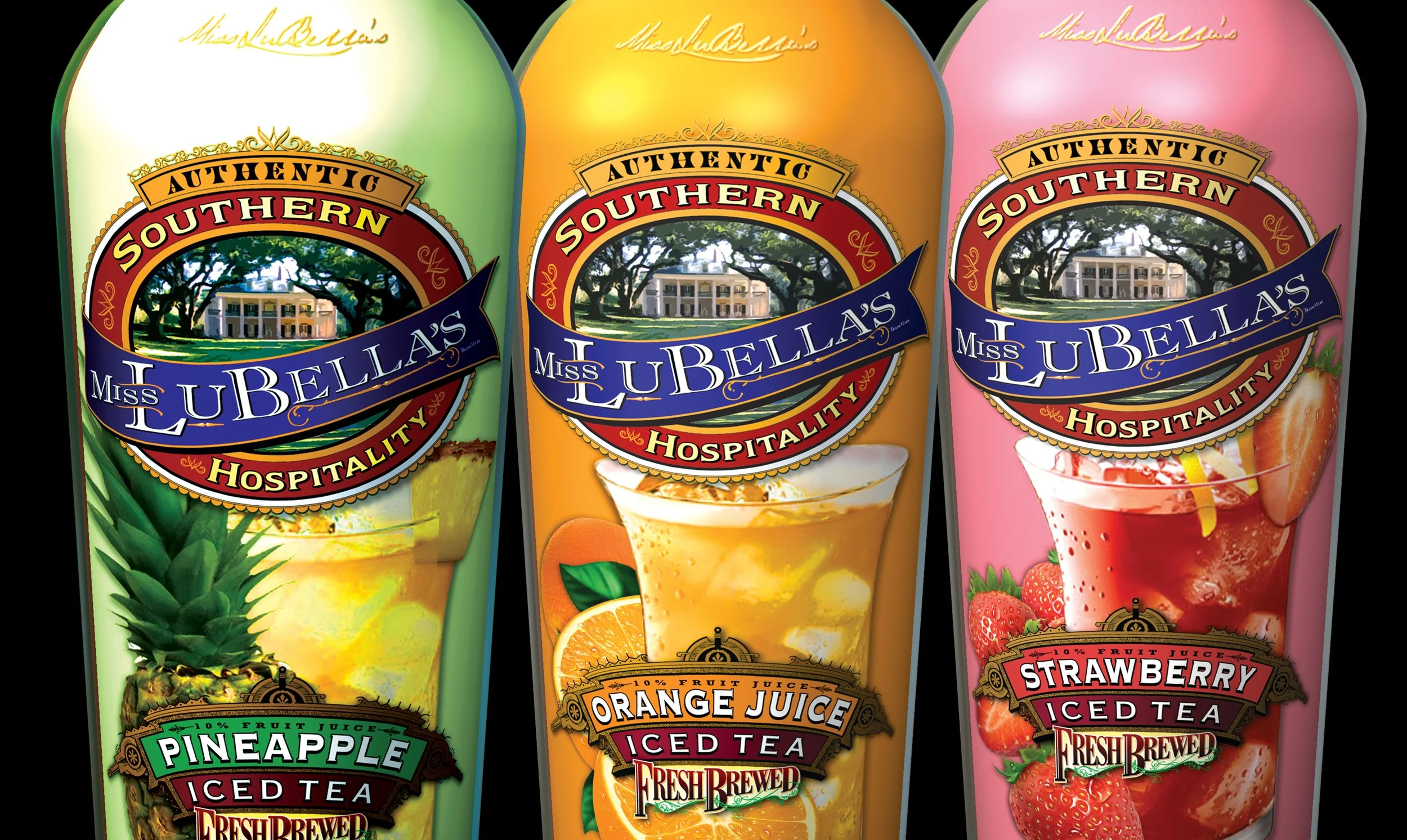
Southern Antebellum Hospitality
Miss LuLella's brings the front-porch tradition of Southern hospitality straight to your glass. Each batch is fresh brewed in small batches and infused with real Southern flavor — from classic sweet tea to peach, mint, and berry twists — for a cool, crisp refreshment, brewed the way Miss LuLella always made it: slow, sweet, and full of heart. I managed the concept, design and branding.
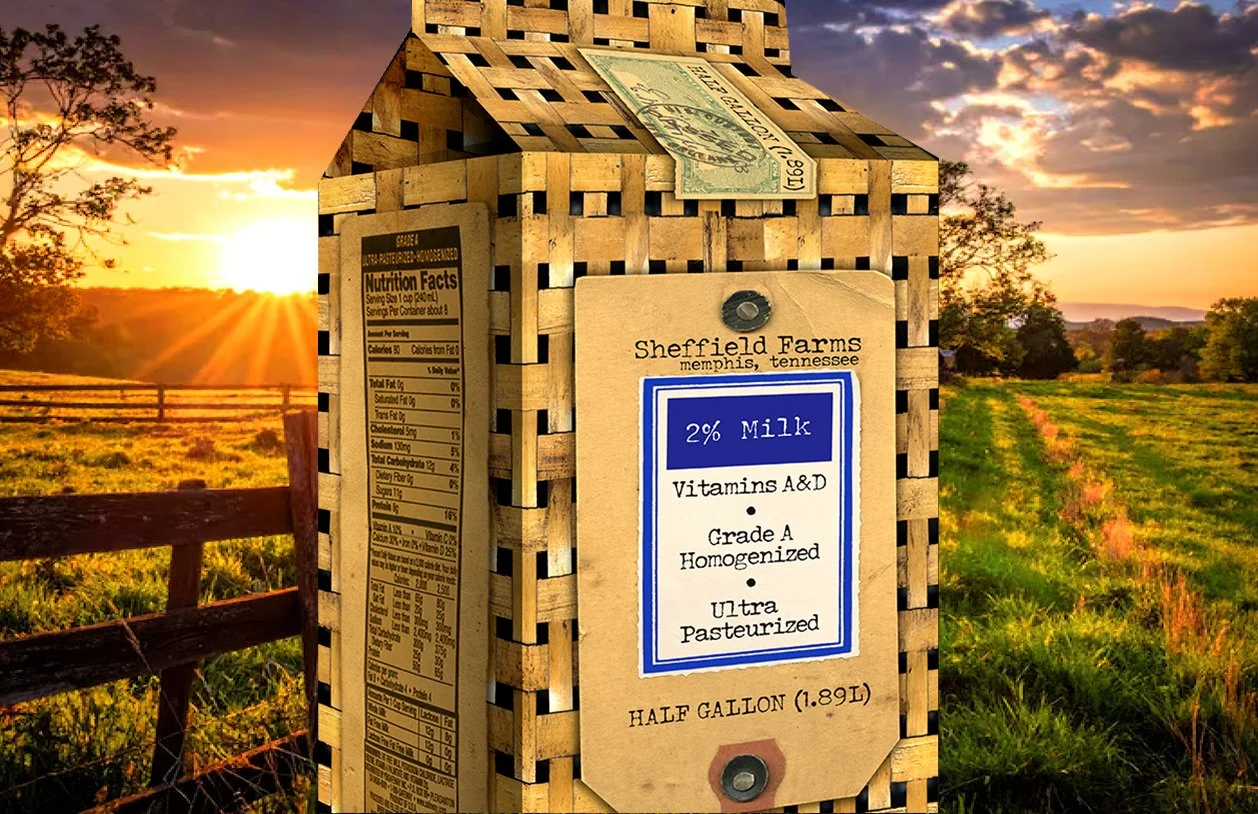
Fresh Doesn't Just Taste Like Something. It Looks Like Something.
Sheffield Farms had genuine agricultural heritage and packaging that wasn't telling the story. Consumers buying milk and eggs want to feel the connection to where their food comes from — and the package is where that connection either happens or doesn't.
I created the "Fresh from the Farm" packaging strategy, developing milk and egg systems that translated Sheffield's heritage into a retail experience that felt as honest as the product itself. Freshness, quality, and authenticity — visible before the carton ever opens.
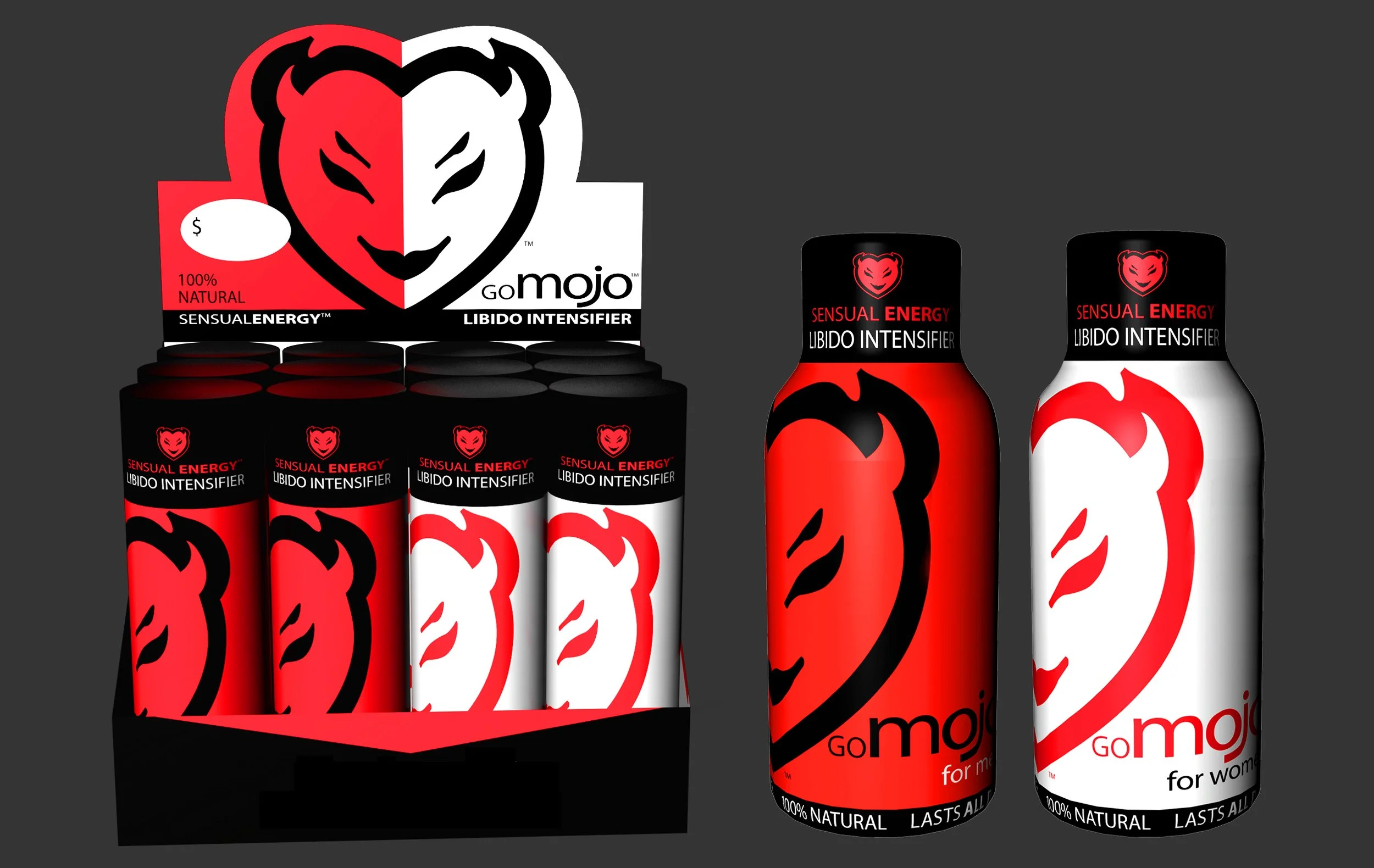
GoMojo: Designing Desire
GoMojo entered a crowded nutraceutical category with a clear mandate: don't look like a supplement — look like desire. I led the brand from concept to shelf, developing the visual identity, logotype, and packaging system for the brand's single-shot format, then extending that language into a custom countertop display engineered to command attention at point of sale. Every element — color, form, typography — was built to signal potency and intimacy in equal measure, translating a functional product into an emotional impulse buy. The result: a cohesive identity system spanning brand, packaging, retail display, and full go-to-market rollout.
Scope: Brand Identity · Logo Design · Packaging & Bottle Design · Retail Display Design · Product Launch Strategy
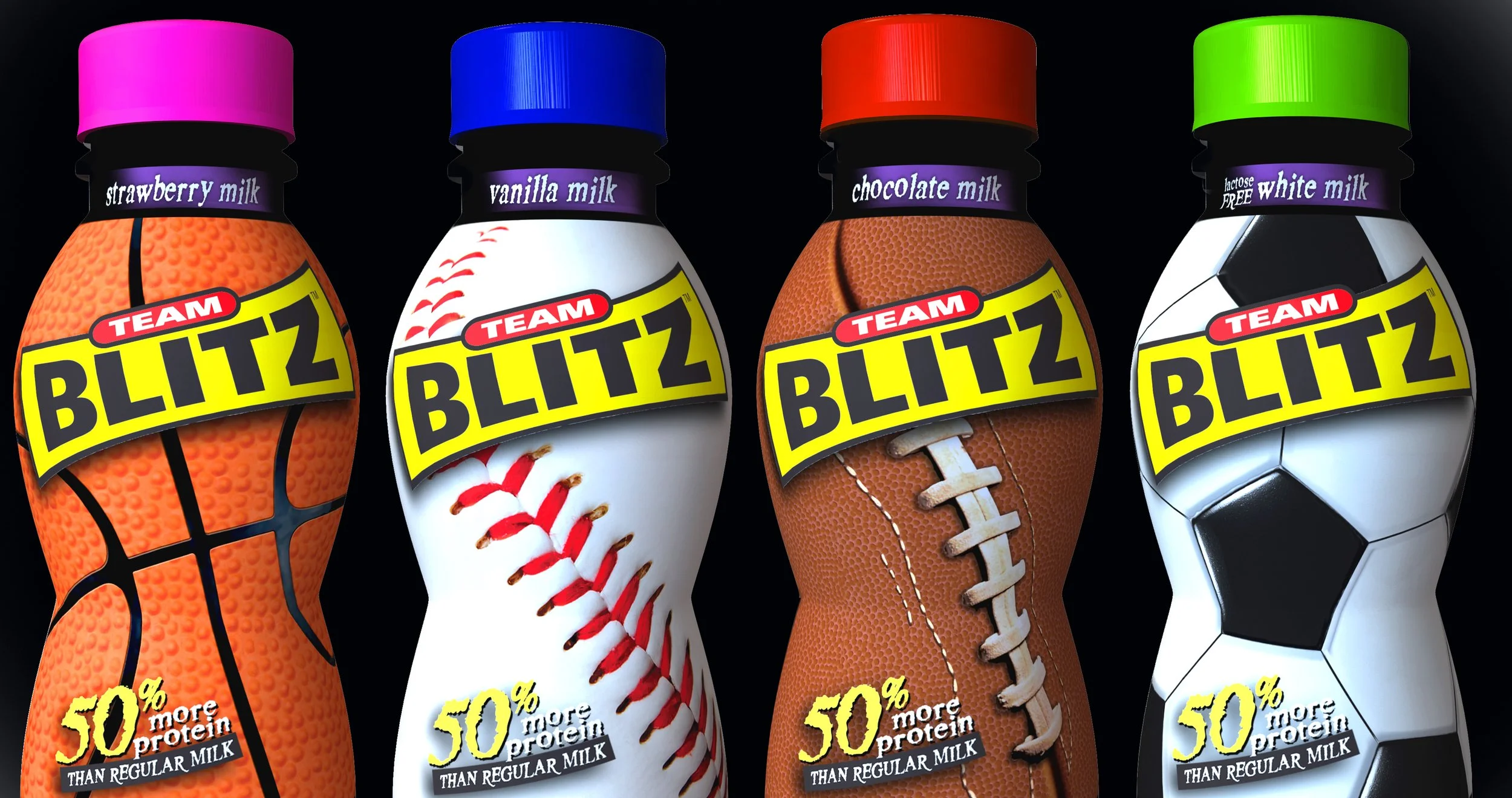
Team Blitz: Recess Never Tasted So Good
When our client set out to bring flavored, single-serve milk to the National School Lunch Program, the challenge was clear: make nutrition feel like a win. We built Team Blitz from the ground up — a sports-driven brand identity and packaging system designed to turn a lunch tray staple into something kids actually want to grab. From bottle design to sell-in support materials for buyers and distributors, every piece was built to score points on shelf and at the negotiating table.
Scope: Brand Identity · Packaging Design · Sell-In Sales Materials · Program Launch Support
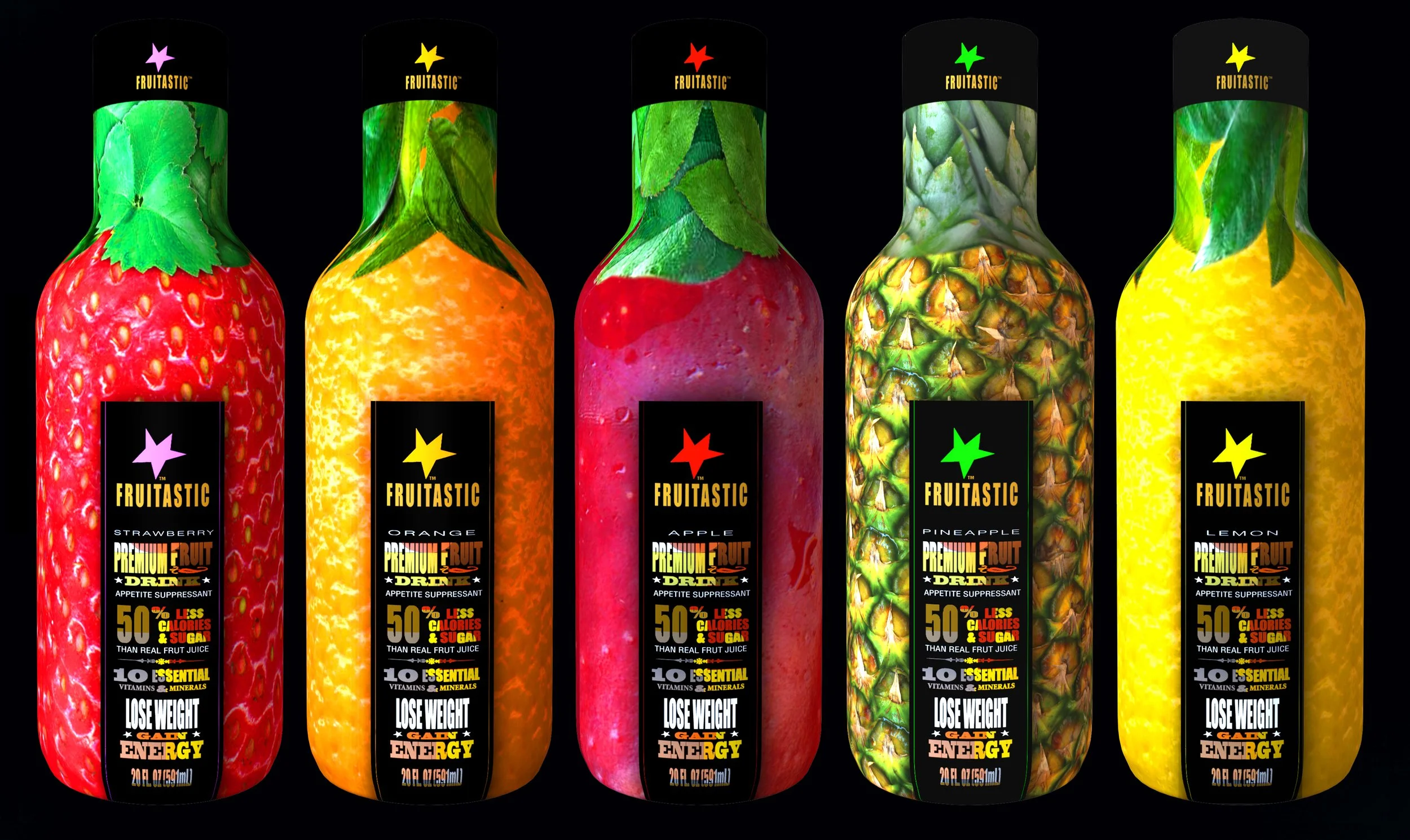
Fruitastic: Weight Loss WITH REAL FLAVOR
Our client needed a weight-loss product that didn't taste like one — big, real fruit flavor paired with energy and essential vitamins. We took the project from blank page to shelf-ready, developing the product name, brand identity, and full shrink-sleeve graphics, while also collaborating on formulation to make sure the product delivered on its flavor promise. The result: Fruitastic, a brand as vibrant and energetic as the experience it delivers.
Scope: Product Naming · Brand Identity · Formulation Collaboration · Full Shrink Sleeve Graphics
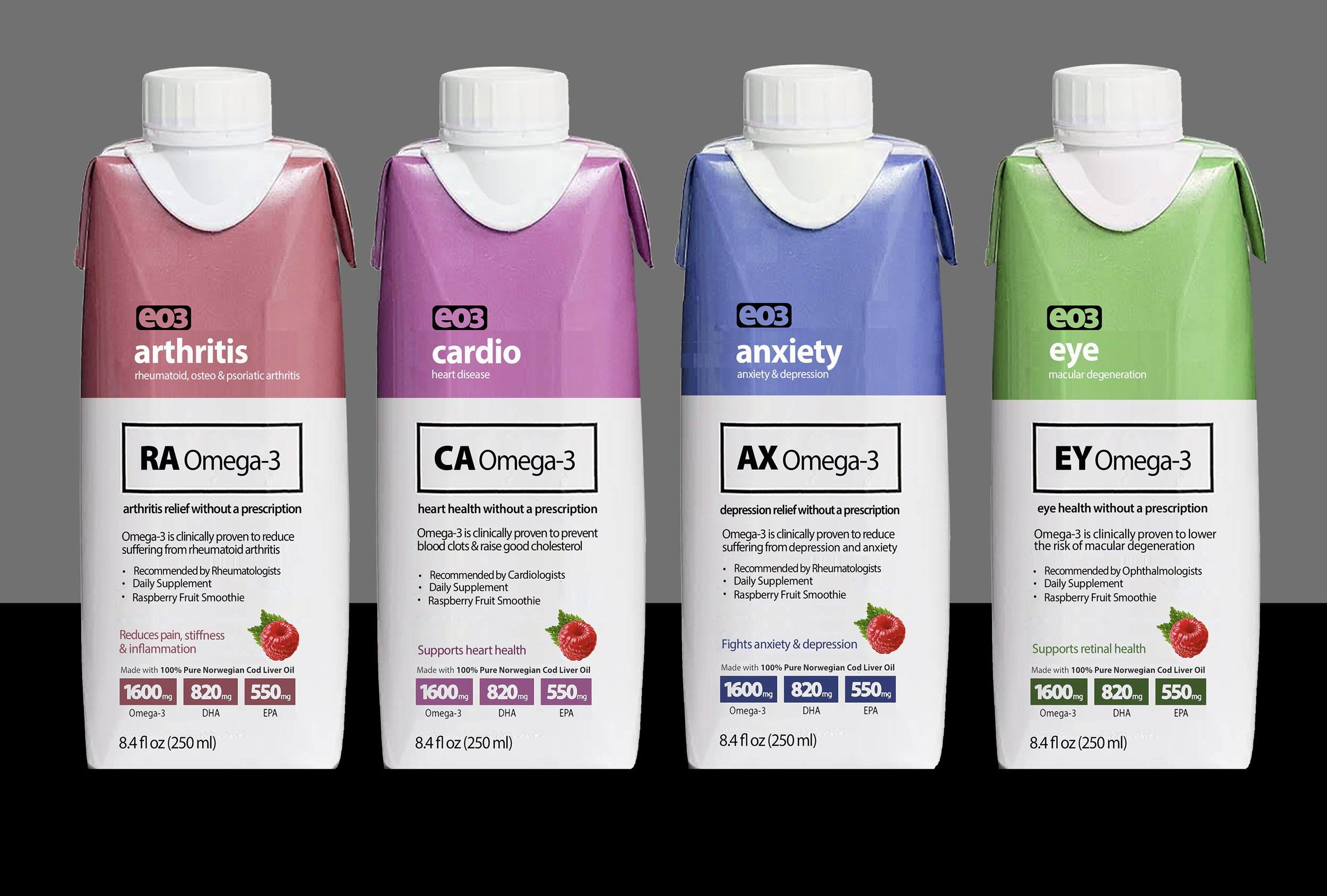
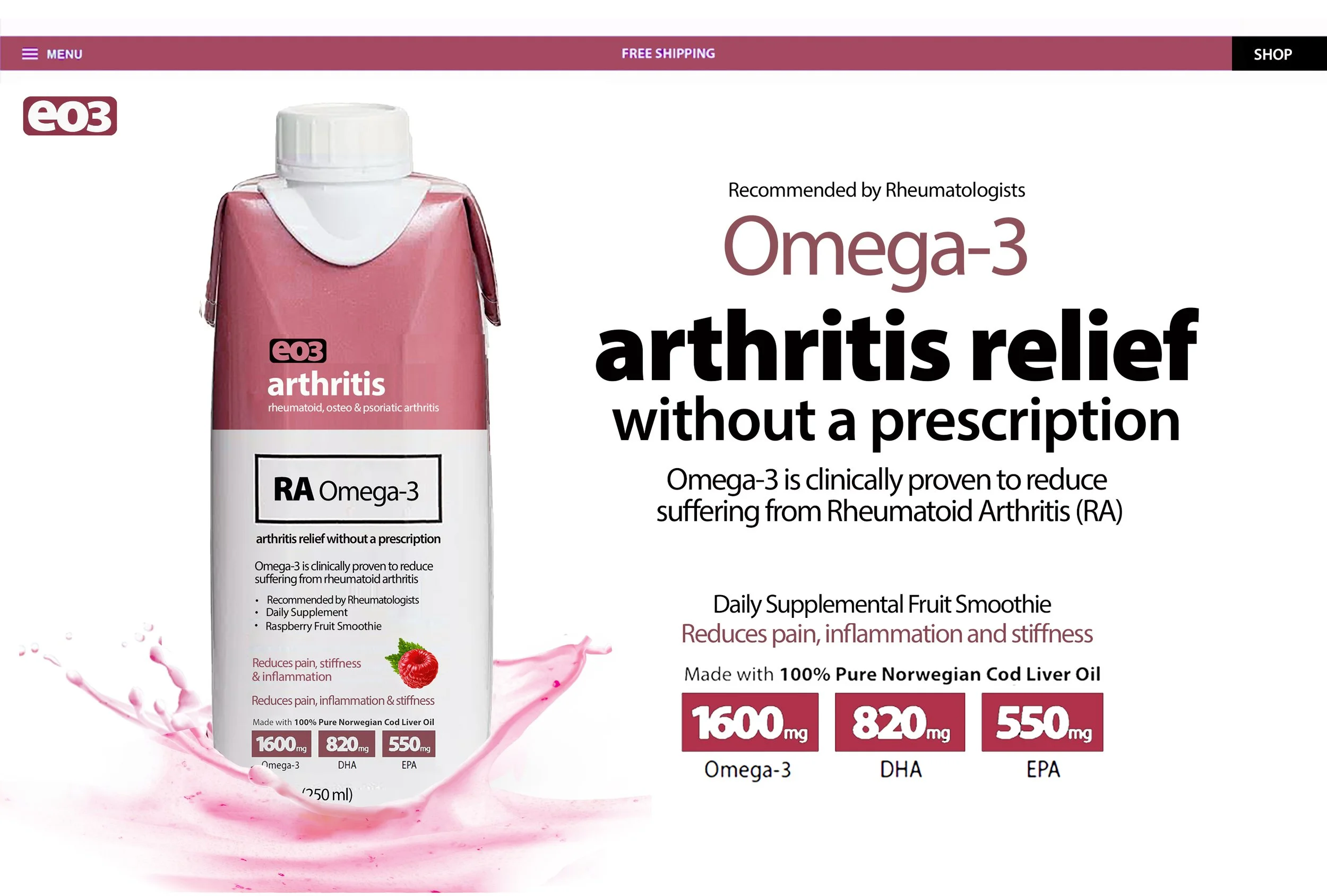
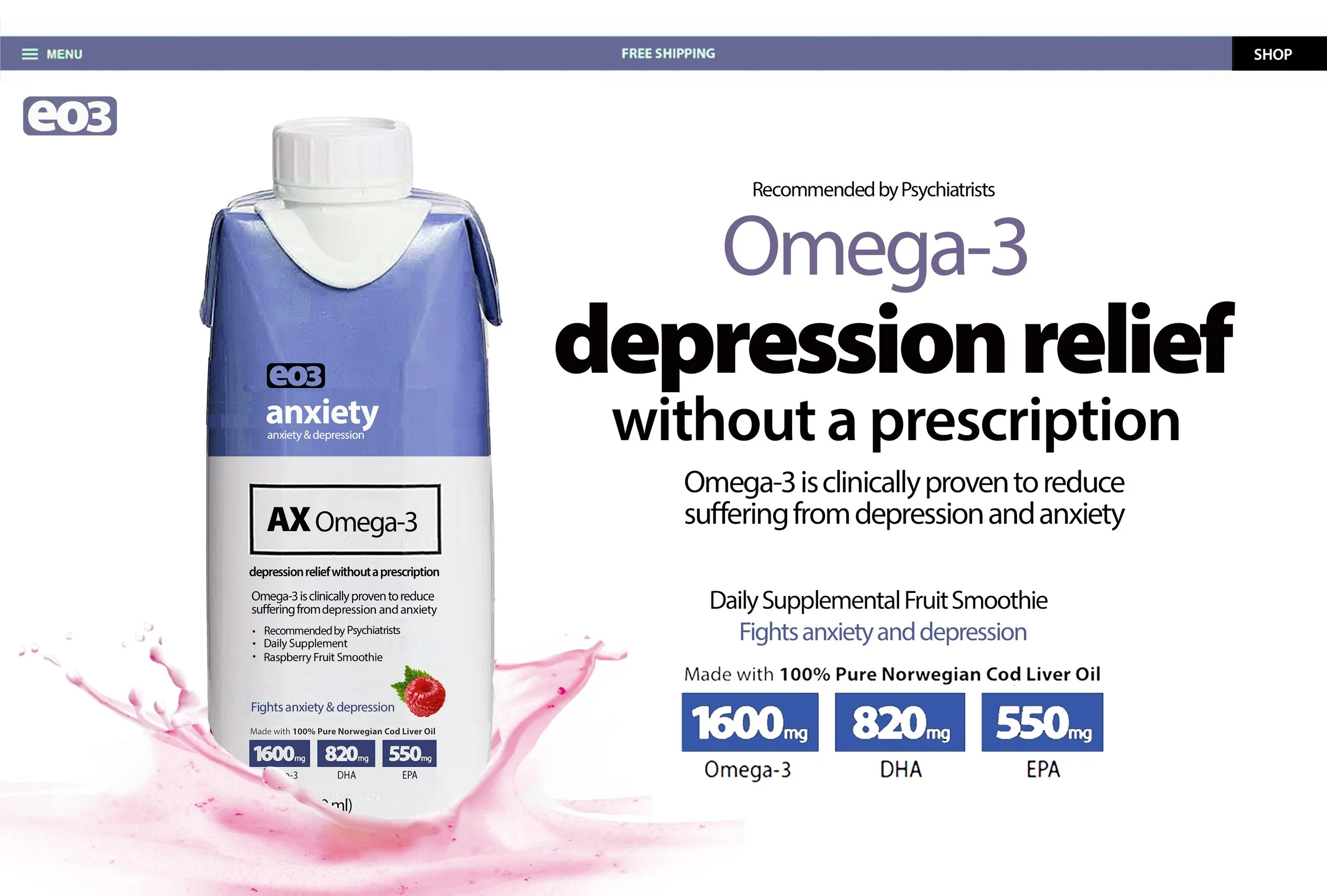
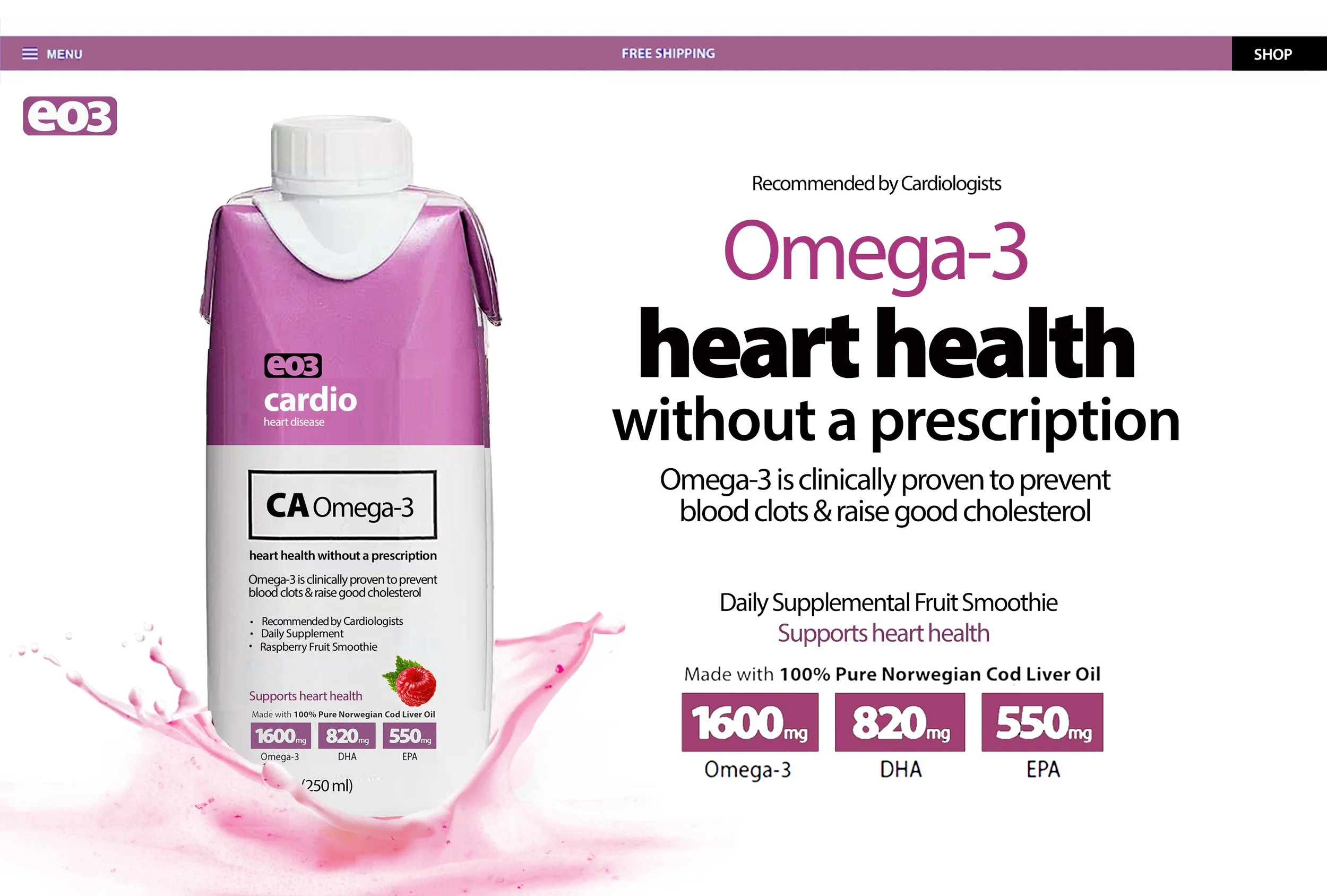
INFLAMMATION RELIEF - WITHOUT A PRESCRIPTION
For consumers managing joint discomfort, eye health, heart health, or mood — often navigating these concerns without wanting to reach for a prescription first — EO3 offered a research-backed omega-3 alternative.
I built the brand identity, packaging, and go-to-market strategy around this over the counter pharma targeted, wellness-forward audience — communicating credibility and efficacy without overstating what a supplement can promise. The result was a brand positioned as a serious, science-led option for people proactively managing their health.
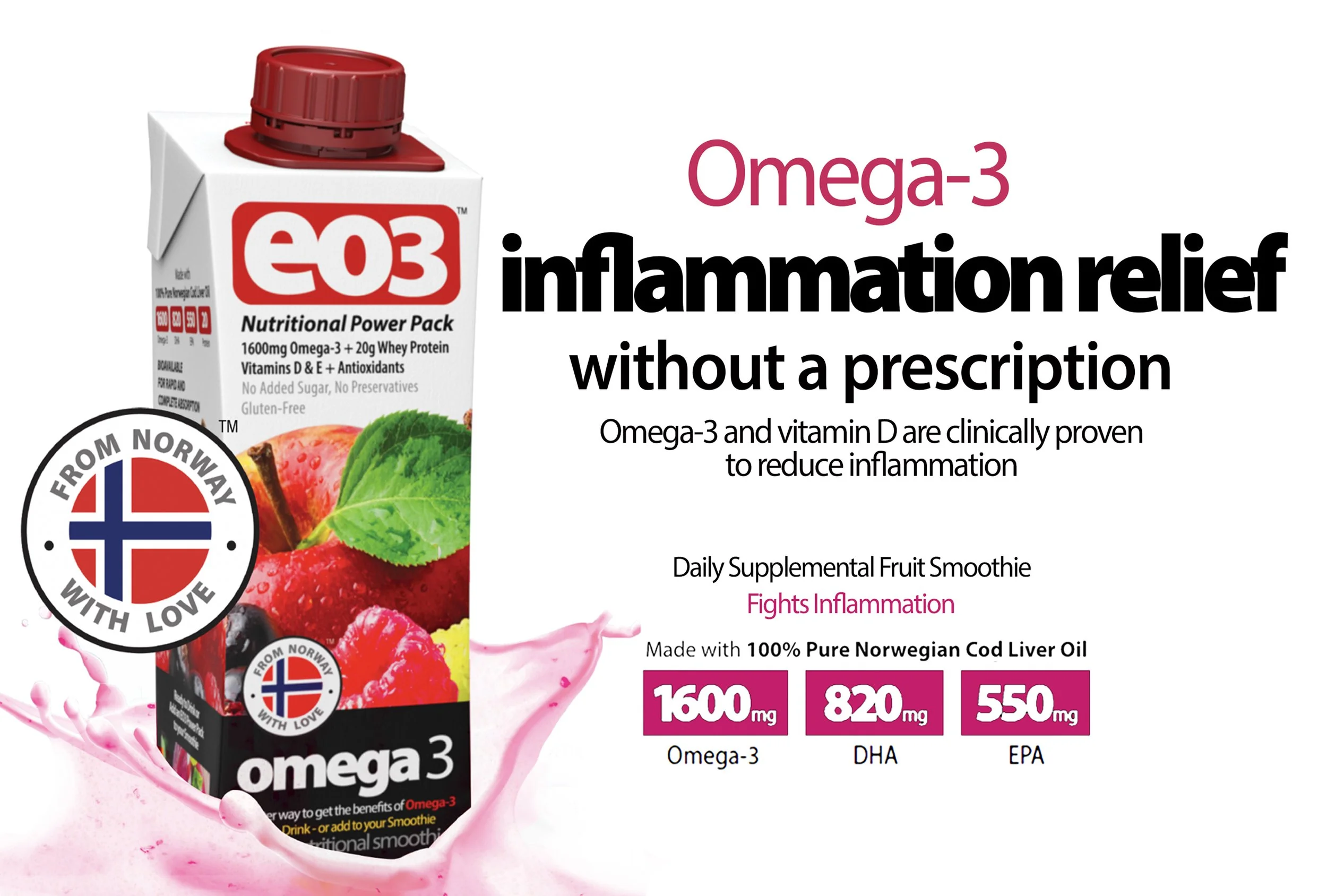
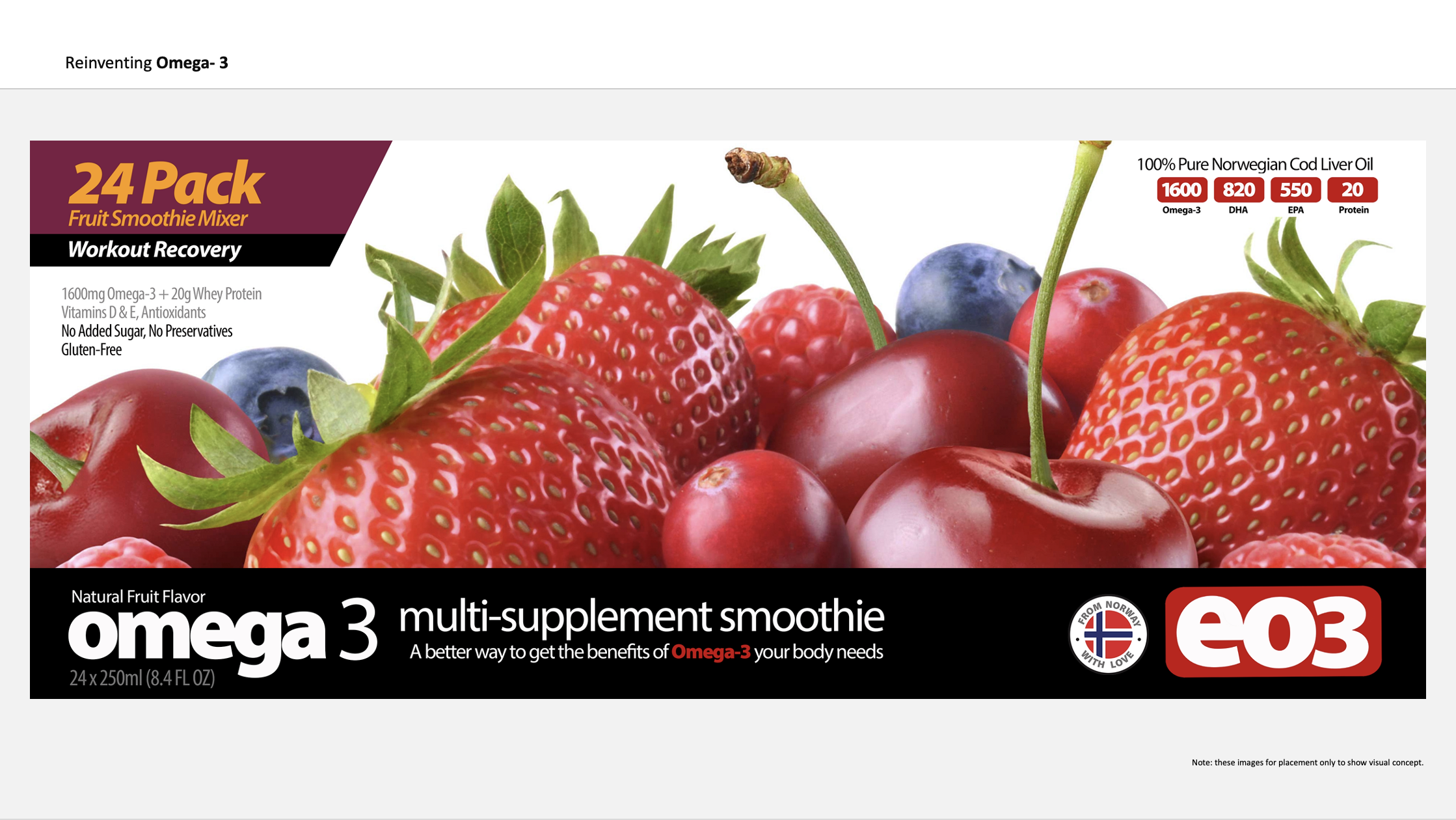
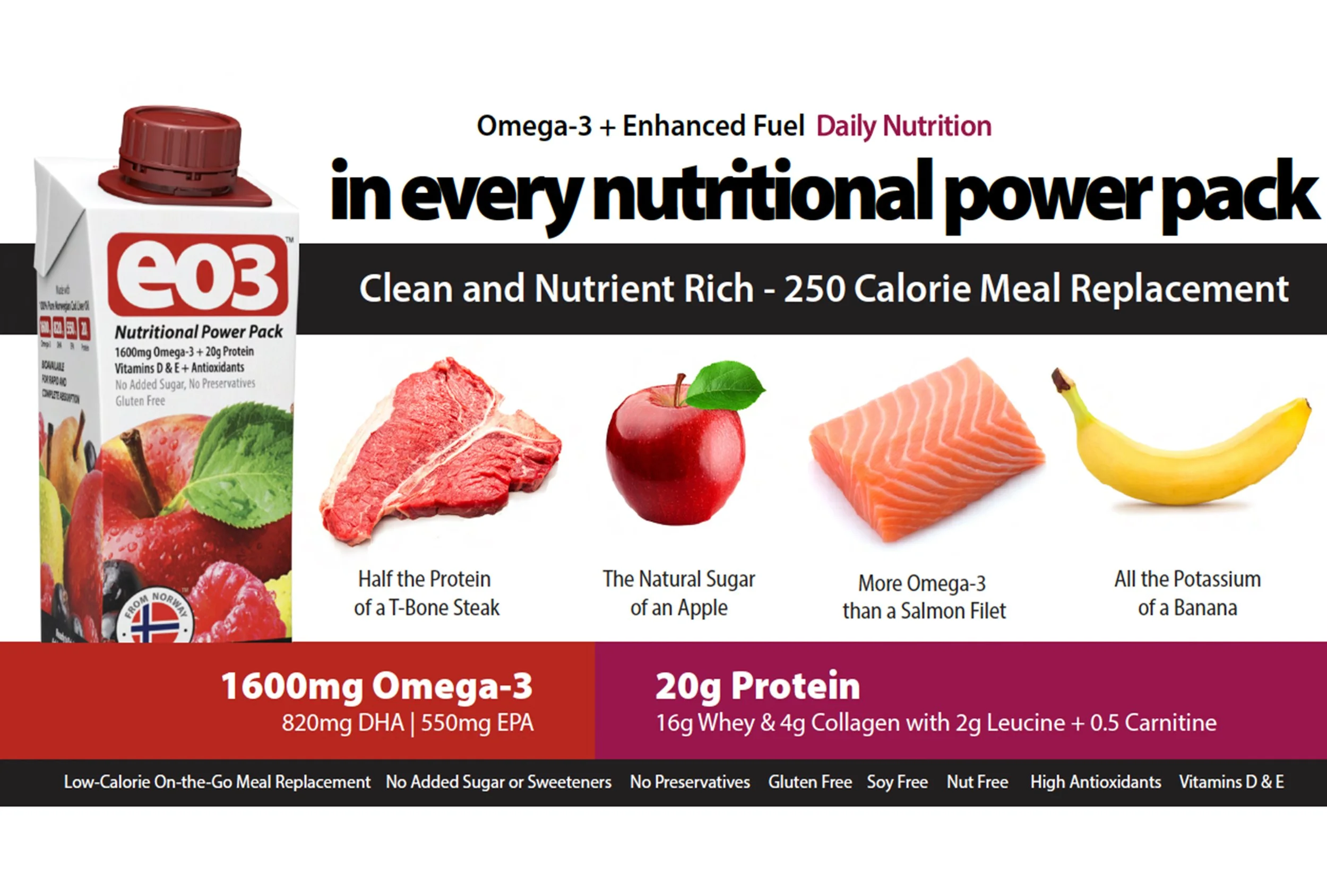
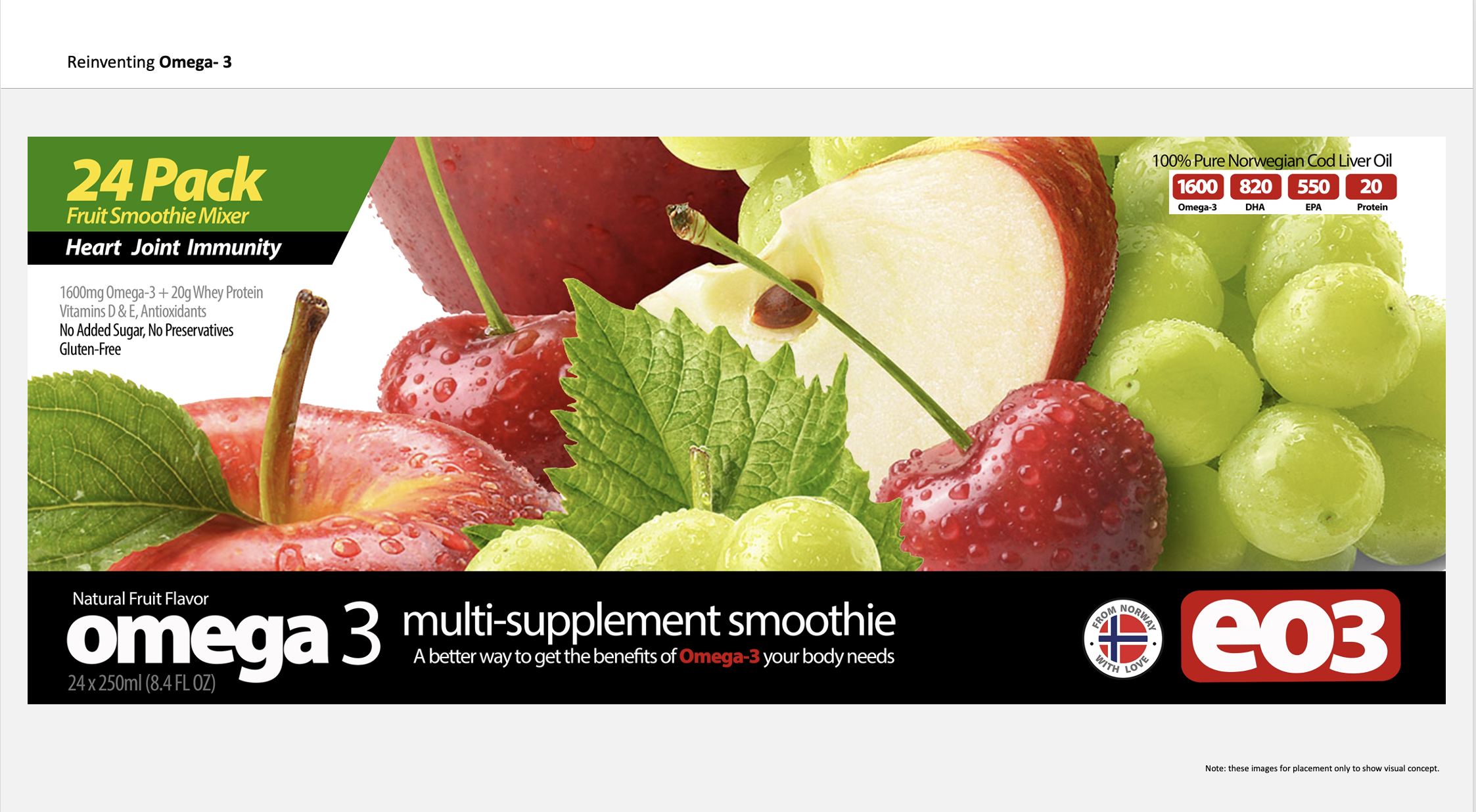
Omega-3 Nutrition WIthout the pill
EO3 needed to make omega-3s feel less like a supplement aisle chore and more like something you'd actually reach for.
I owned the brand from the ground up — naming, packaging, web design, Amazon storefront, sales collateral, and trade show presence — building a beverage-format omega-3 brand positioned around everyday wellness and joint comfort. The goal was simple: make a daily habit out of something people knew was good for them but never got around to buying.
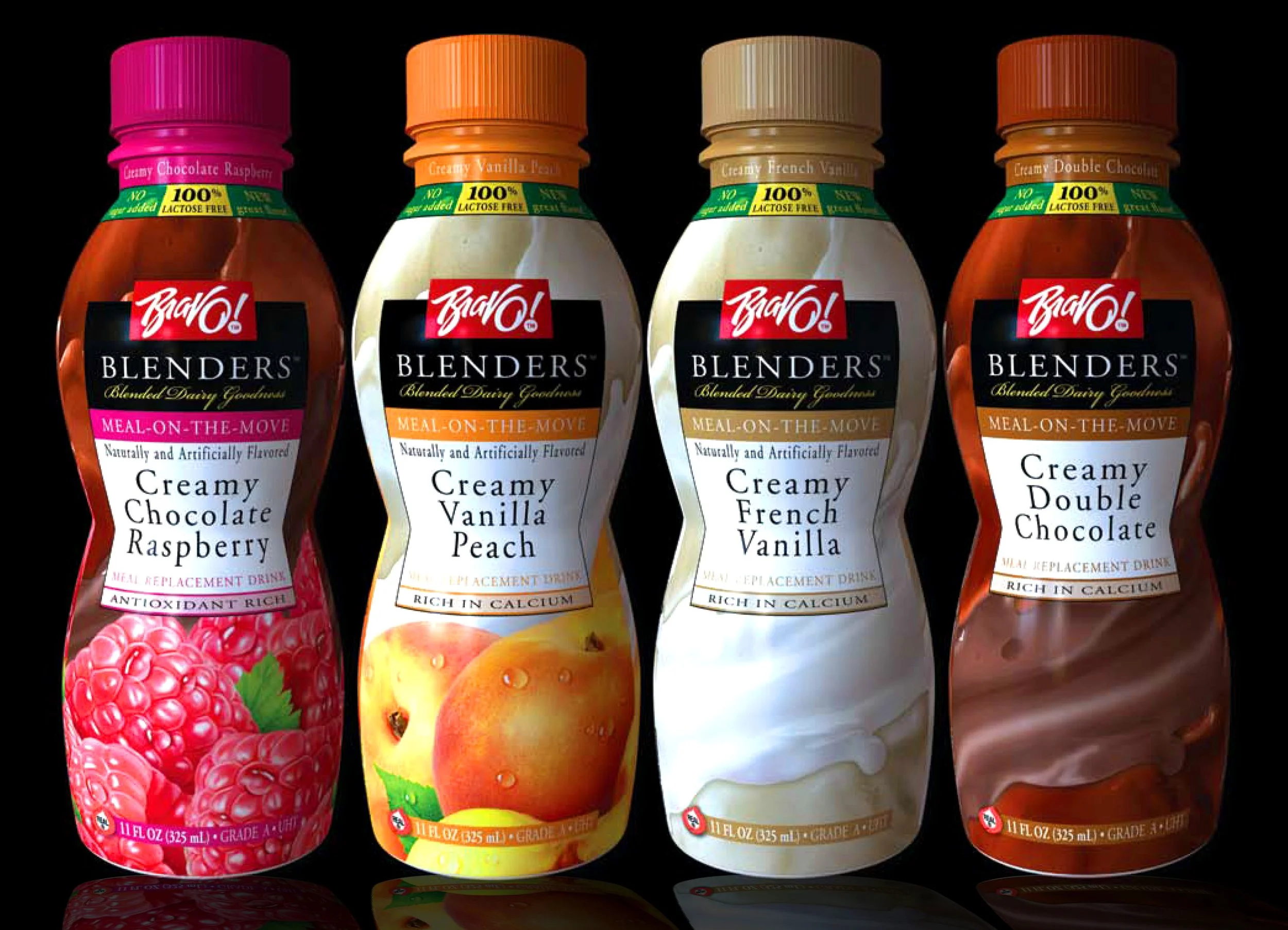
Bravo Foods: Creamy. Complete. On the Go.
Bravo Foods came to us with a challenge: create a lactose-free meal replacement that felt indulgent, not clinical — a creamy, fruit-flavored milkshake packed with calcium, antioxidants, and essential minerals for people on the go. We handled the launch end to end, from naming and brand identity to packaging design and formulation guidance across four distinct flavors, delivering a full go-to-market program ready for shelf. The result is a better-for-you meal replacement that tastes like a treat and performs like a nutritional powerhouse.
Scope: Product Naming · Brand Identity · Packaging Design · Flavor Line Development · Full Launch Support
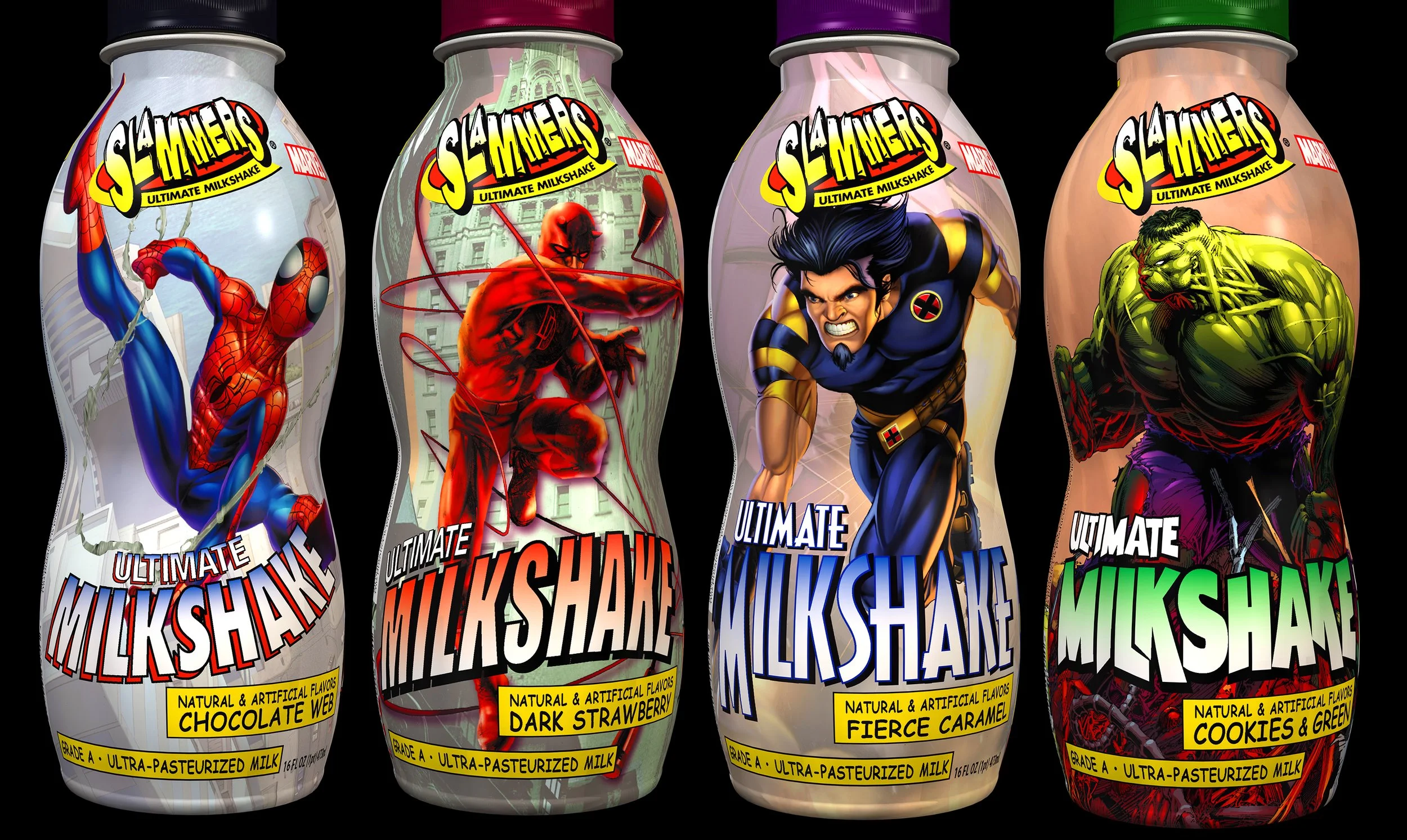
Ultimate Milkshakes: Flavor With Superpowers
Building on Bravo Foods' Slammers success, we were tasked with launching a Marvel-licensed extension worthy of the brand's biggest fans. We created Ultimate Milkshakes — a flavored milkshake line with bottle graphics designed to look ripped straight from a comic book panel, bringing bold action, typography, color, and energy to the dairy case. We even made the Incredible Hulk product green. From concept and naming to full packaging design and licensing execution, we delivered a complete launch that turned a mass-market product into a collectible experience.
Scope: Brand Licensing Execution · Product Naming · Packaging Design · Comic-Style Illustration Direction · Full Launch Support